


Front and Center: Logan Thomas
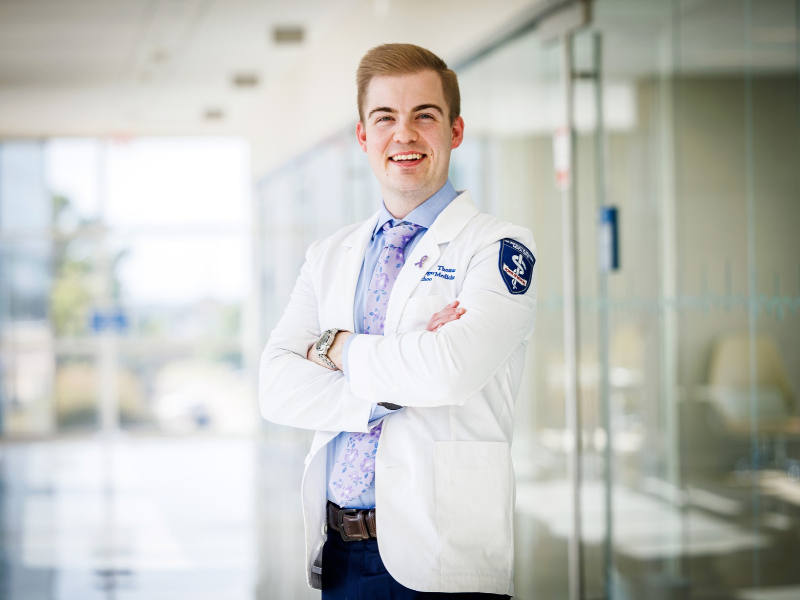
They have led him from a childhood marked by hundreds of seizures to the halls of the University of Mississippi Medical Center, where he is now pursuing his dream of becoming a physician.
For Thomas, a 26-year-old Ridgeland native and third-year medical student at UMMC, the journey to medical school has been anything but ordinary.
Diagnosed with genetic epilepsy at age 4, Thomas faced challenges that would shape much of his childhood. According to the Epilepsy Foundation, genetic epilepsy occurs when changes in one or more genes increase a person’s likelihood of experiencing seizures.
As a child, Thomas experienced between 150 and 200 seizures a day. Despite receiving care at Children’s of Mississippi, his seizures remained difficult to control with medication, a condition known as drug-resistant epilepsy.
“Typical epilepsy drugs like Keppra and other standard drugs did not work. Nothing worked after taking countless medications; two years of failure and my seizures were climbing. I was eventually diagnosed with refractory epilepsy,” he said.
Despite those challenges, Thomas developed a unique perspective on his condition as a child.
“With my diagnosis, I told my parents I had superpowers,” Thomas said. “I believed that my power was traversing time. I could time travel because when I had a seizure, I would be unconscious, and I wouldn’t remember what happened.”
With limited treatment options available to control his seizures, Thomas and his family searched for another solution.
In 2008, a UMMC pediatric physician recommended that the Thomas family consider enrolling in a clinical study at Johns Hopkins Medicine in Baltimore examining whether a specialized, high-fat, low-carbohydrate diet could help children whose seizures were not responding to medication.
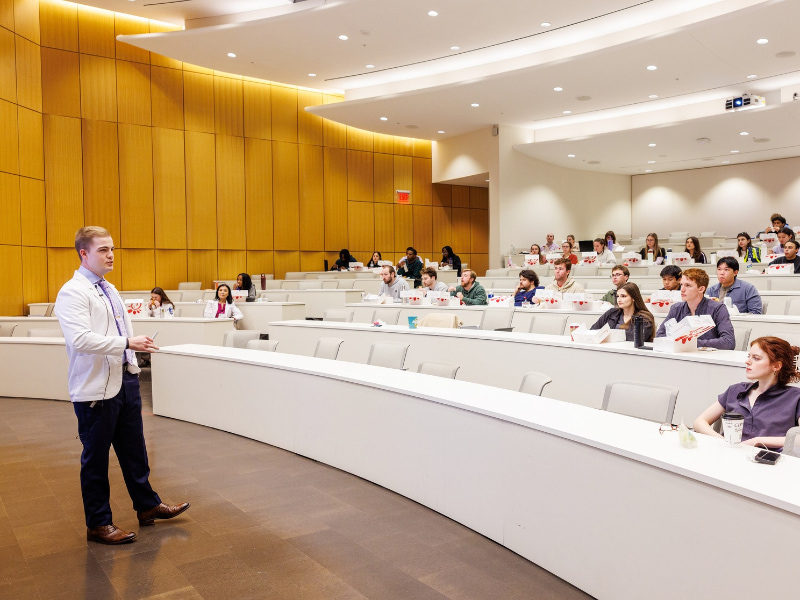
Thomas became one of 30 children who participated in a study examining the effectiveness of combining the modified Atkins diet with a ketogenic nutritional supplement to reduce seizure frequency.
The dietary treatment, combined with his antiseizure medications, yielded promising results. Over time, Thomas said, his seizures decreased from approximately 150 to 200 a day to 50 to 75, marking a significant improvement in his condition.
“I was very blessed to be a part of the clinical trials, but it was a hard journey,” Thomas said. “From age 8 to 11, I was dependent on going to Johns Hopkins for weeks out of the year for trials. My parents sacrificed a lot. The medical bills and travel costs associated with being a part of the Johns Hopkins study quickly added up. My parents did everything they could to make it work, but it wasn’t without many sacrifices. They put their careers and lives on hold to fight for the chance I would get better and have the opportunity to be a normal kid. As an adult, I understand that having such selfless and dedicated parents is a privilege.”
Thomas refused to allow his diagnosis to define what he could accomplish.
Thomas was discouraged from participating in competitive sports and pursuing his goal of becoming an Eagle Scout because of concerns about his ability to earn the required swimming merit badge. Determined to overcome the limitations others placed on him, Thomas went on to earn the rank of Eagle Scout in 2015.
Those experiences of rejection led him to attend a camp for children with epilepsy in Mississippi, an experience he said became instrumental in his personal growth.
“That camp was a life-changer for me as a kid because it was the first experience where I got to see other kids with epilepsy,” he said.
Thomas was equally determined to succeed academically. He worked with his teachers to ensure he did not fall behind, even when he experienced seizures during the school day.
“I went to Jackson Academy, and I was very blessed that they were prepared and forgiving in the instances that I had a seizure or an episode,” Thomas said. “They built a system just around me in order for me to feel like I fit in.”
At age 11, Thomas returned to UMMC after experiencing prolonged seizures. It was there that he met Dr. John Ingram, McCarty Chair of Neurology, vice chair of pediatrics and founding director of the Pediatric Comprehensive Epilepsy Center.
Since then, Thomas said, Ingram has helped transform his life.
For Ingram, caring for Thomas was personal.
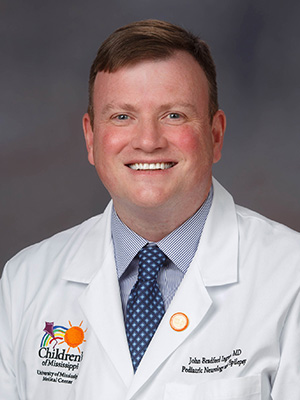
“I have epilepsy as well,” Ingram said. “I was diagnosed when I was a teenager.
“We actually went to the same high school, just at different times, so for me it was almost a time-travel element to him, because he was having seizures at the same school that I had seizures at, which was really a little meta. It felt like I was taking care of my younger self almost.”
According to the Centers for Disease Control and Prevention, nearly 3 million adults and nearly 500,000 children in the United States have epilepsy.
Although epilepsy often develops during childhood, its effects can extend well beyond the seizures themselves. Ingram said children with epilepsy may experience developmental challenges and medication side effects that can interfere with daily life.
Even after years without a seizure, the possibility of experiencing another one can create significant anxiety.
“You can go a year and not have one, then out of the blue it hits,” Ingram said. “I mean, what a trauma, to think you are over it, it’s done, you have moved on from it, it’s not a part of me anymore, and then it rears its ugly head again.”
Thomas experienced that reality firsthand.
After seven years without a seizure, Thomas had entered a period of remission and eventually discontinued his medication. But in 2021, as he prepared to propose to his now-wife, Anna Katherine Herrington Thomas, he experienced a seizure while going through a Transportation Security Administration checkpoint at the Jackson-Medgar Wiley Evers International Airport.
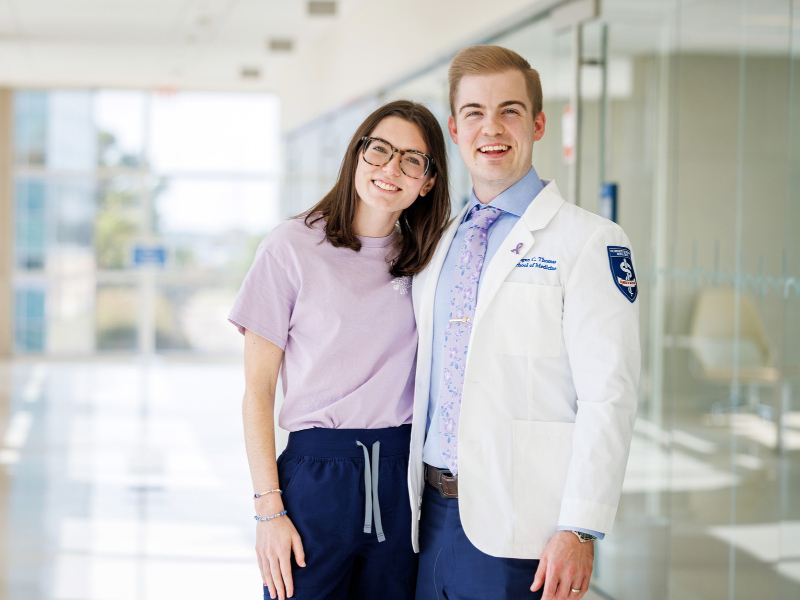
The episode left him with severe injuries and significant emotional stress.
“I just remember looking at him and noticing he was walking weird,” said Anna Katherine Thomas, a Brandon native and third-year medical student. “The next thing I knew, he fell. I didn’t know what was going on at first because I had never seen a seizure before.”
She said the experience was life-changing. It reshaped her understanding of the stigma surrounding neurological conditions and disabilities and the harm that can result when people make assumptions about what others can accomplish.
“Whenever you hear somebody has epilepsy or any sort of condition that’s associated with having a disability, people have an automatic knee-jerk reaction to what you think that person can and can’t do. In reality, all of that is person dependent. Logan has epilepsy, but he is very well controlled on his medications, and he is in medical school doing very well,” she said.
The experience also strengthened the couple’s commitment to educating others about seizure first aid. Both recognize that knowing how to respond during a seizure can make a meaningful difference for someone experiencing one.
Certified in seizure training, the couple has conducted training sessions in communities, including Oxford, where they attended college. They have also trained close friends and extended family members. Their goal is to hopefully continue training people in the Jackson-metro area.
Together, the couple and Ingram hope to combat the stigma surrounding epilepsy by encouraging more open conversations and increasing awareness of a neurological condition they believe is often misunderstood.
“Really, one in 10 Americans are going to have a seizure at some point in their life,” Ingram said. “Usually, it’s going to be in the childhood years or over 65, but it can happen at any time.”
For Thomas, his experiences have also shaped the kind of physician he hopes to become.
“Honestly, in a lot of ways, my epilepsy journey has made me grow more empathetic to people,” he said.
His determination to become a physician is fueled by the friendships he has developed and the support system that has surrounded him throughout his journey. Even during his most difficult moments, Thomas said, those closest to him have never viewed his condition as a limitation.
“Me going to medical school, I saw it as an opportunity that I was given in life that very few people are given,” Thomas said. “I saw it as a second chance for me to be able to become a physician and treat patients, specifically children with epilepsy, and hopefully create opportunities that very few people I grew up with did not have.”
His message to others living with epilepsy is simple: A diagnosis does not define who you are or determine what you can accomplish.
“I want people to know that they are not a disease; they are a person,” Thomas said. “This problem that you see you are having right now is not a problem, but a strength. People with epilepsy have a mountain to climb, and to reach that mountaintop, they need to have a mountain of support to do that.”