


Dale’s goal: Cure childhood cancers
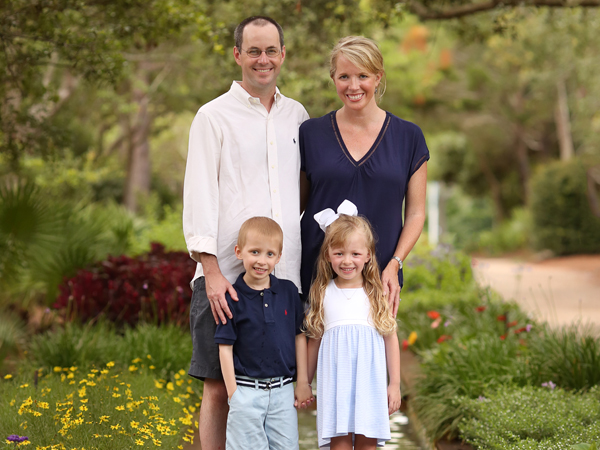
Jill Dale's mission is driven by love, by pain and by hope.
The metro-area woman knows how much mothers love their children, the pain of losing a child to cancer and the hope that research can provide.
She is working to involve many others in a mission to find new cures for childhood cancers and to educate children and adults about childhood cancers and their long-term effects. She's working to honor her son, Campbell Grady Dale, who died of rhabdomyosarcoma in September 2015, days short of his sixth birthday, and to celebrate childhood cancer survivors.
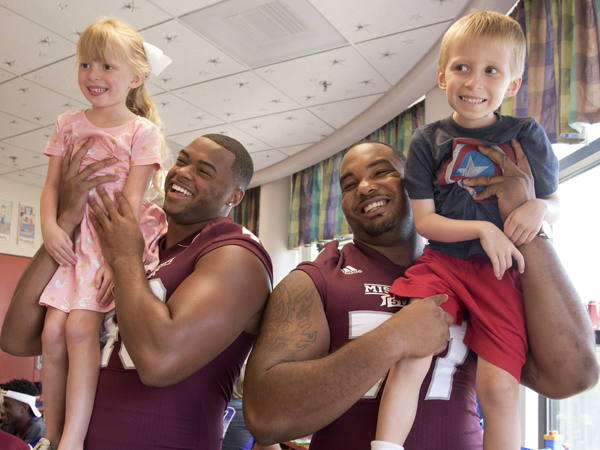
The work has resulted in two major efforts she is unveiling in September:
- The Campbell Bulldog Fund, established to fund childhood cancer research at Children's of Mississippi's Children's Cancer Center, located in Batson Children's Hospital at the University of Mississippi Medical Center.
- An outreach effort in area schools to help educate students about childhood cancers and how they can help a classmate struggling with it.
Why the Children's Cancer Center?
"At Batson, they cared for Campbell as if he was their own son," she said. "Some of our passion for this fund is to give back. The doctors did so much for us. We know more research is needed, so if we can provide money and awareness, we feel like we have honored Campbell and his memory."
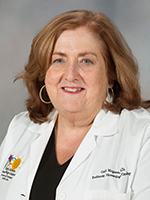
Dr. Gail Megason, professor of pediatric hematology/oncology and center director, said she is encouraged by Dale's quest.
"Therapy for children doesn't get as much attention as some adult cancers, so the research lags, but that doesn't mean they haven't made advances," she said.
Megason is part of a team at the University of Mississippi Medical Center looking for genetic markers to use in determining therapy for pediatric leukemia patients. That's an area that is bringing advances, she said.
"We're more and more classifying our malignancies genetically. We modify chemotherapy agents based on those genetic tests," Megason said.
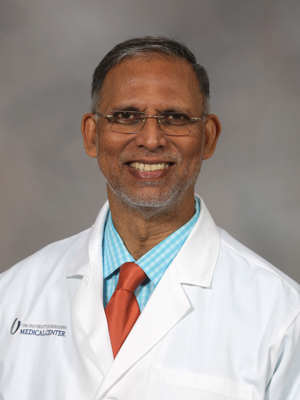
Dr. Srinivasan Vijayakumar, director of the UMMC Cancer Institute and chair of the Department of Radiation Oncology, was one of Campbell's doctors.
"My goal is to be out of a job," he said, calling Dale's fundraising effort a step in that direction.
Campbell's encounters with "Dr. Vijay" always ended with hugs, Dale said.
"It is never easy to treat children with cancer," Vijayakumar said. "I start to love them. Doctors are told, 'Don't get too attached to your patients.' I keep telling myself this is what I would do if they were my own niece or nephew."
The second prong of Dale's plan is to recognize and honor the courage of children who have beaten cancer during Childhood Cancer Awareness Month observed in September.
With that in mind, the Campbell Bulldog Foundation for Childhood Cancer Awareness and Research is featuring 10 children and adolescents who are fighting cancer or who have beaten it on its website, www.GoingGoldForMSKids.com.
She hopes to take the discussions to area elementary schools, too.
Dale said she and a friend discovered that a lot of second graders know more about adult cancers than childhood cancers. Yet the pair quickly identified at least one child in multiple metro-area schools who is battling cancer.
The idea is to help kids learn more about the hurdles a classmate with cancer may face at school.
"We don't want to scare them," she said. They want children to understand that if a classmate is constantly using antibacterial wipes on their desk and anything they touch, it's an action they take to kill germs that might make them sick.
She also hopes raising awareness brings more recognition to Mississippi's youngest cancer survivors.
"We recognize adult cancer survivors, but do we recognize the children who beat it?" she asked.
The kids who battle cancer "grow up in the hospital," Dale said. "Their innocence is stripped away, and there's nothing you can do about it."
They are kids like Freddie Green, who at 17 is facing his second bout with T-cell acute lymphoblastic leukemia. First diagnosed in 2013, Freddie went into remission. In February 2015, the cancer recurred. Today, he leaves his Greenville home each month to come to the Children's Cancer Center for medications and testing.
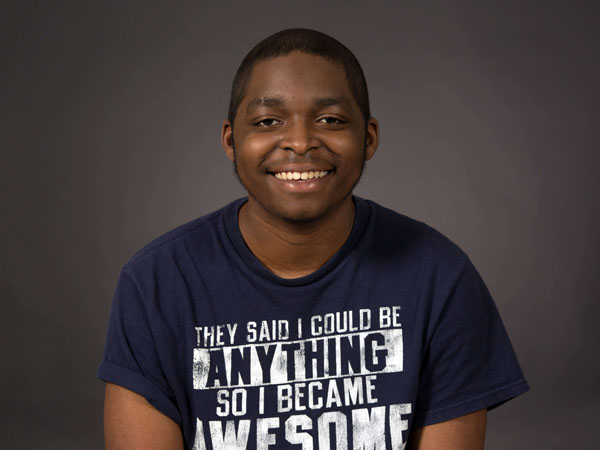
The big event?
"I'm going back to school this year," he said. A senior at Greenville High School, he has hopes of attending Jackson State University or Mississippi State University. Cancer therapy, which lowers a person's immune system, means most students learn from the hospital or home in the initial stages of treatment, an option that helped Freddie keep up with his class.
JSU may have an edge because it's nearer to Batson, a place where Freddie has made it his mission to help others.
"When I'm coming down, I like to check on a few patients I know," he said.
"Sometimes they ask me to talk to new patients," he said of doctors and nurses. "If they have a new diagnosis they should know what to expect. Having dealt with it for four years now, I know just about everything about it and what it can do to you. Others should know they can get through it."
For Magnolia Louise Jones, 6, of Brookhaven, life after cancer has its perks.
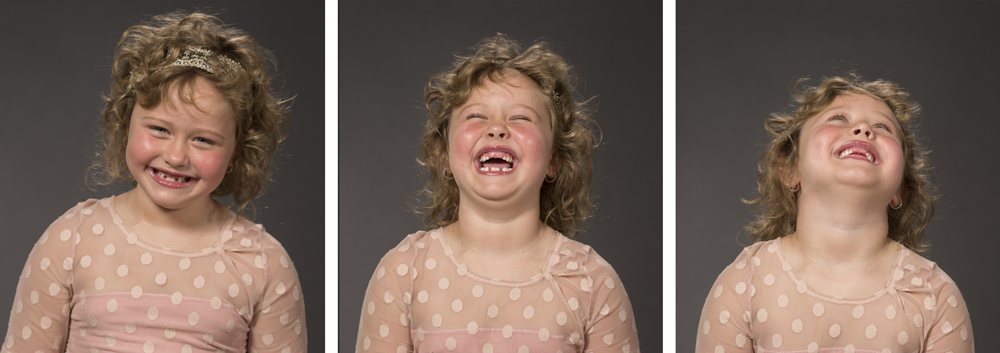
Magnolia and her mom, Emily Jones, have already started educating her classmates.
"Her school knows more about cancer now," Jones said recently of classes at Brookhaven Academy, where Magnolia entered first grade this fall.
Nodding and looking at her mom, her legs swinging from the chair as she talks, Magnolia emphatically added, "We told 'em."
Her diagnosis came June 2, 2013, with a trip to her Brookhaven pediatrician. Blood counts indicated cancer, and her doctor immediately sent her to Batson Children's Hospital via ambulance.
"We got to ride in the cool ambulance and watch Dora," her mom said of that trip.
"They gave me the DVD. We'd been looking for it forever," Magnolia said of the ambulance drivers.
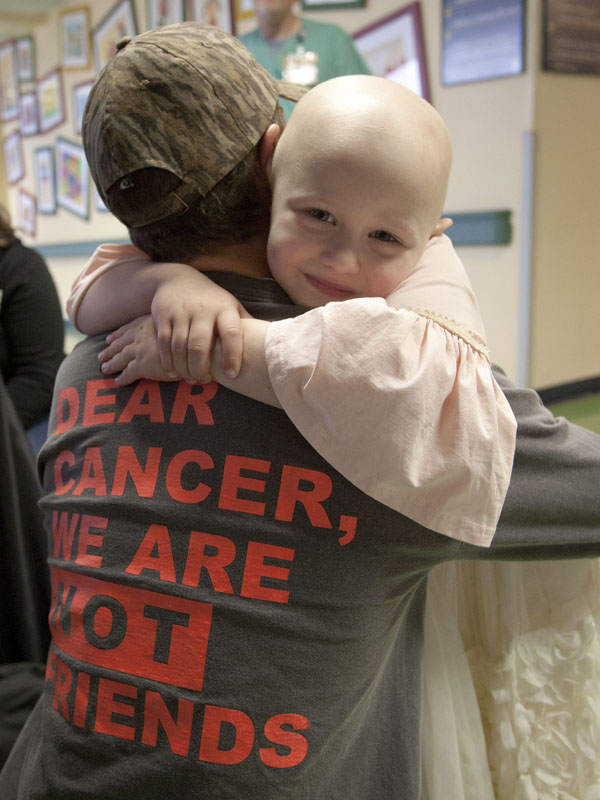
Diagnosed with B-cell acute lymphoblastic leukemia, Magnolia finishes her therapy in October and begins follow-up care.
"Batson is not a situation you wish you had to be in, but we're grateful it's there," Jones said. "It is not a club you want to be part of."
As school resumes, Magnolia is looking forward to playing soccer, just like her older brother, Grady.
"I've been playing with my brother at home," she said.
Jones reflected on the journey.
"We decided we could make this situation a horrible one or a better one, so we decided we could make it better," she said. "We got in a little trouble in ICU because we had a break dance party. We decided the more positive we could be, the better. I think it makes a difference."
Dale, who grew up with Jones in Brookhaven, is helping Campbell's twin sister, Avery, adjust to school and to the routine it brings.
Campbell was diagnosed on Feb. 14, 2014, with Stage IV rhabdomyosarcoma. Initial therapy brought remission, but he relapsed.
"There's not a good protocol for relapsed rhabdo, because there's not enough research," she said. "That's when it hit me. There's a problem here. There's not enough research to save my child because there's not enough money for research."
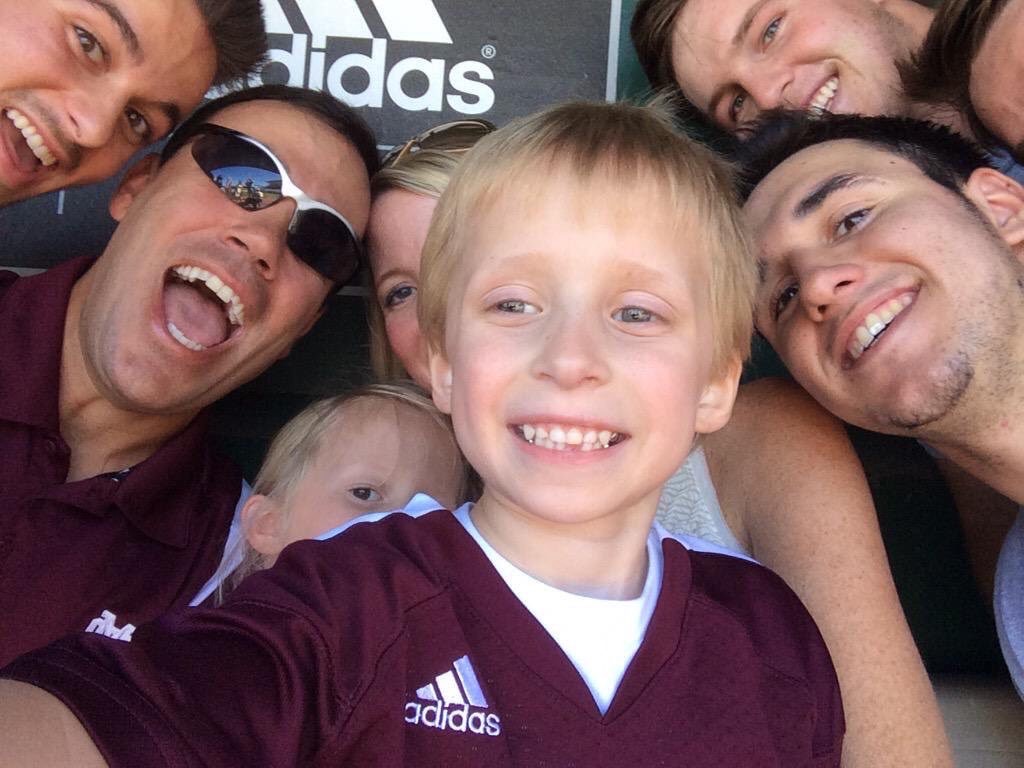
Campbell's doctors at the Children's Cancer Center referred him to St. Jude Children's Research Hospital in Memphis for a clinical trial that was not available locally.
"At St. Jude, they told me, 'Had you come here first, we would have done the same treatment,'" she said. "That gave me a peace we'd done everything we could."
Obstacles include the far larger numbers of adults who have cancer and an inclination from drug companies to seek cures in those areas.
Megason said new targeted therapies, based on the genetic profile of the child and the cancer they have, hold much promise.
"Because these children get cancer so young, before environmental influences, perhaps they hold the answer for everybody," Megason said. "We need more research on the whys and hows."
"Something has to be done," Dale said. "We have to start small. The whole idea is to start by bringing awareness to it."