


Psychiatry’s new research office brings medical students, residents to mind
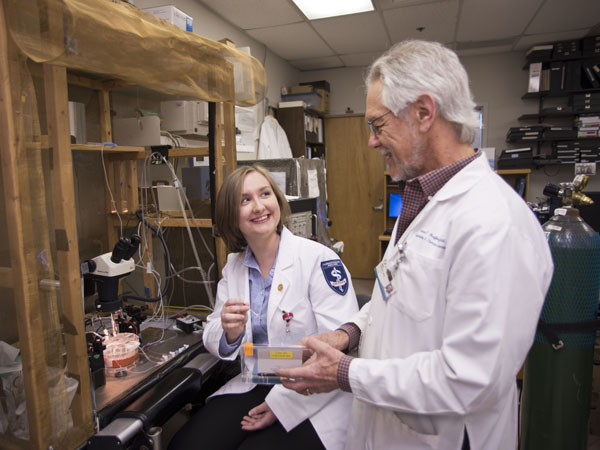
Searching for a meaningful relationship at the Medical Center, first-year medical student Sorsha Morris finally met her match: sleep deprivation.
Sleep deprivation in laboratory rats, that is.
This summer, Morris will begin research in that area through a new initiative within the Department of Psychiatry and Human Behavior: the Office of Medical Student and Resident Research.
The office connects trainees with research opportunities, pairing students and residents with faculty mentors based on shared scientific interests.
"When you're a first-year student trying to settle into school, having one place to go for information about research is really helpful," Morris said.
That central point of contact is Dr. Kevin Freeman, assistant professor of psychiatry and human behavior and director of the new office.
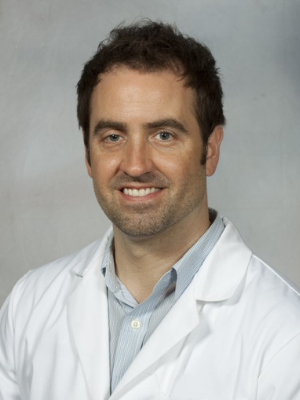
"The Department of Psychiatry and Human Behavior has one of the largest research portfolios on campus, with strong depth in both basic and clinical research," Freeman said. "Historically, these opportunities have not been well advertised to medical students and residents."
He said the program helps trainees explore whether they want to incorporate research into their careers and at what level.
Without the program, Morris said, finding the right opportunity would have been more difficult.
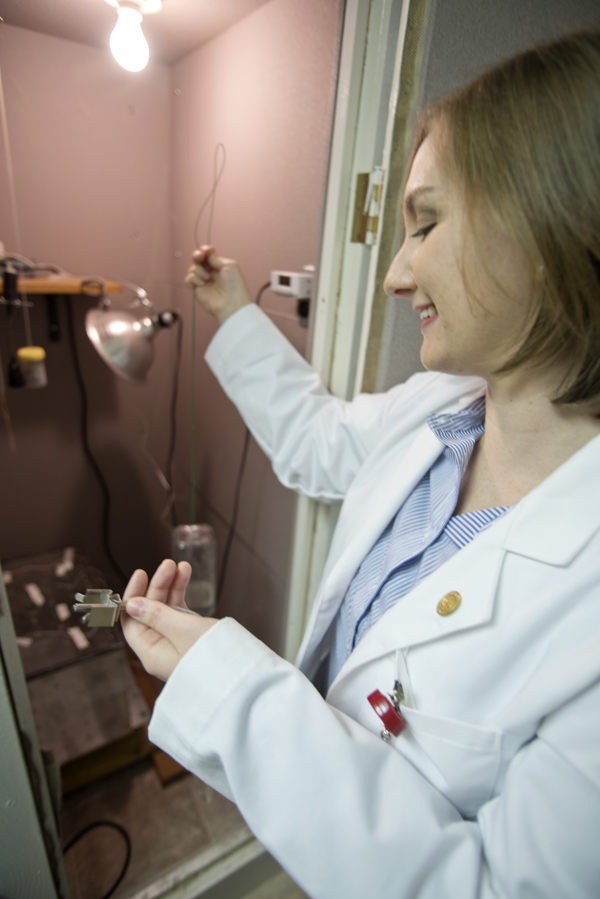
"I had always wanted to try research," she said. "We talked about my interest in neurology, including sleep research. It's a growing field, and I thought it would be exciting to be part of it."
Freeman helped guide her by sharing articles and narrowing her focus to a specific area of interest.
Dr. Scott Rodgers, chair of the Department of Psychiatry and Human Behavior, said the office fills a long-standing gap in connecting trainees with research opportunities.
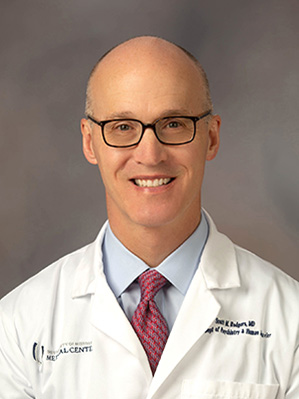
"Despite our department's history of excellence in research, we have not found effective ways until now to involve trainees," Rodgers said. "This initiative exposes them to the science behind mental illness and may influence their career paths."
So far, four medical students have been matched with faculty researchers.
"One of our goals is to grow our clinical research portfolio," Freeman said. "Matching trainees with projects aligned to their interests is one way to do that."
He added that developing physician-researchers within the institution benefits both the Medical Center and the broader field of medicine.
Another motivation is addressing the shortage of psychiatrists in Mississippi, particularly child psychiatrists, said Dr. Scott Coffey, professor and vice chair for research.
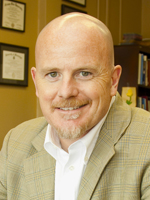
"This program may encourage more students to pursue psychiatry," Coffey said. "It also provides a structured way to connect residents with faculty research."
The department's research spans topics including substance use, suicide prevention, post-traumatic stress disorder, anxiety, obesity and early intervention strategies.
Morris was particularly drawn to the work of Dr. James Shaffery, associate professor of psychiatry and human behavior, who studies the role of Rapid Eye Movement (REM) sleep in brain development.
Her research will examine how disrupting REM sleep in young rats affects behavior and brain function, including memory and learning in tasks such as navigating a water maze.
"Sorsha's work will contribute meaningfully to this project," Shaffery said.
For Morris, the subject matter feels especially relevant.
"It will be good information to know," she said with a laugh, "considering what we may be going through ourselves."