


Front and Center: Madison Hansen
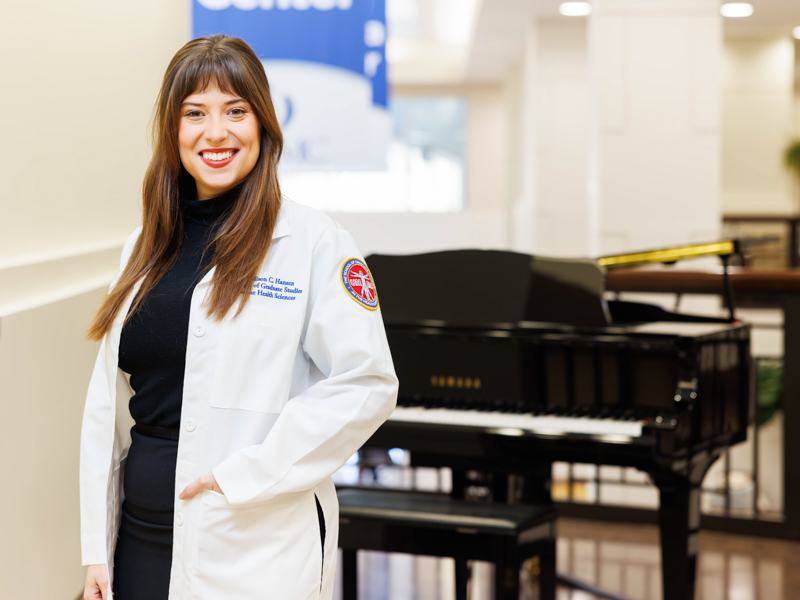
The sound of music is beginning to reverberate throughout the University of Mississippi Medical Center campus.
Known for its cutting-edge research and clinical care, UMMC is also embracing a powerful form of healing that extends beyond traditional medicine: therapeutic music.
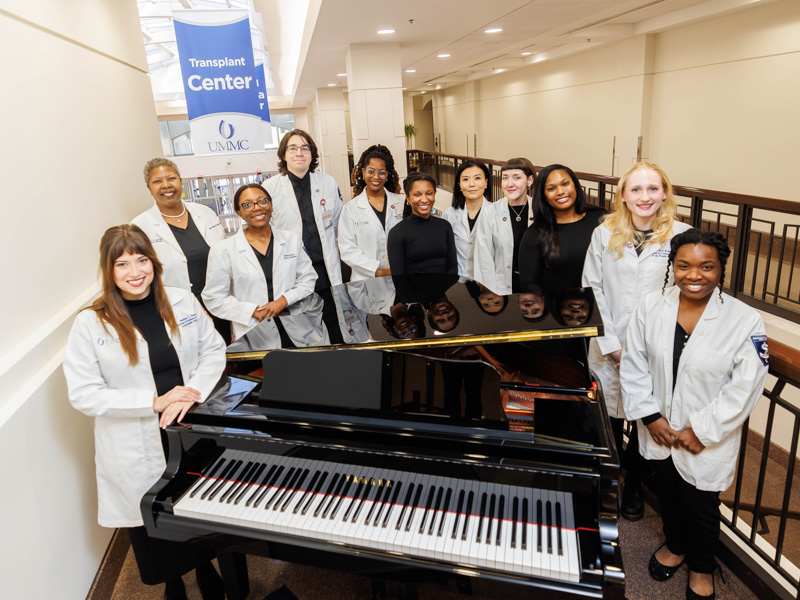
Madison Hansen, a fourth-year School of Medicine MD-PhD student, founded a campus choir in 2023 as part of a student interest group. Originally called Music and Medicine, the group was created to unite medical students interested in exploring the intersections of music, medicine and neuroscience. As interest spread across campus, the group adopted a new name – Cantus Medici, Latin for “song of the healers.”
During her third year on the wards, Hansen said she came to understand that healing often involves far more than physiology or pathology alone.
“Medicine has a profound psychological component,” she said. “Music has powerful neurocognitive effects, particularly for children and for patients recovering from brain injury. And for health care providers, it offers a way to decompress, reconnect with ourselves and sustain balance in an often overwhelming profession.”
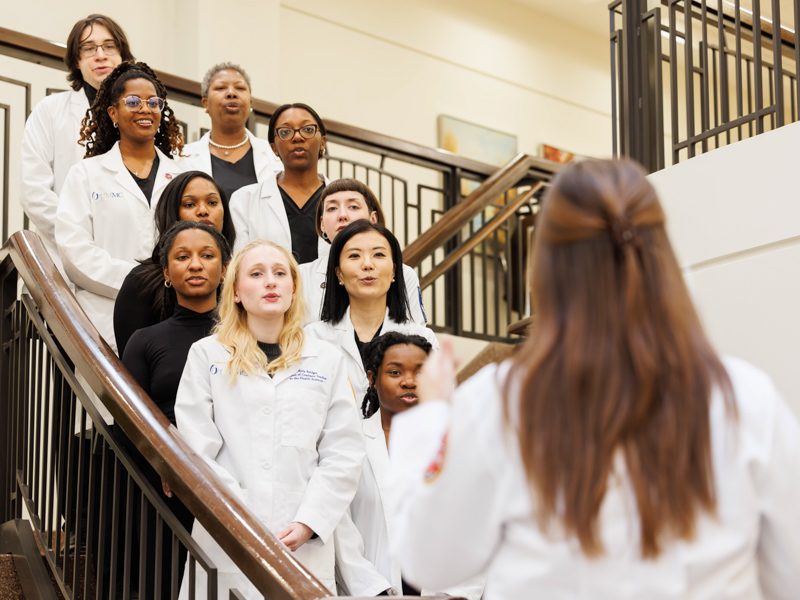
Cantus Medici is an inclusive group of students and faculty who lift their voices – and the spirits of those around them. One of its most cherished traditions is Christmas caroling annually throughout the hospital.
“We just completed our third year,” Hansen said, “and each time I’m struck by how both the choir and our audiences continue to grow.”
Hansen’s passion for music began early. She started piano lessons at age 7, picked up the clarinet at 9 and remained deeply involved in band and orchestra throughout high school and college. At the University of Southern Mississippi, she studied clarinet performance alongside biochemistry.
Her interest in medicine began at home. “My mother is an internal medicine physician, and for as long as I can remember. I watched her care for patients – first as a toddler trailing behind her on weekend rounds, then as a teenager filing old charts after the transition to electronic health records and later as a college student scribing in her clinic. Over time, I came to appreciate the trust patients placed in her. My interest deepened in high school after I was diagnosed with celiac disease, which sparked a fascination with pathophysiology. In college, I further explored celiac disease through a summer research program. Since then, I’ve wanted a career that combines caring for patients with investigating the conditions that affect them.”
“UMMC has many groups for interests like sports, writing and history, but there wasn’t a dedicated home for musicians,” Hansen said. “I felt that the campus, despite offering degrees from the baccalaureate to doctoral levels, sometimes lacks a traditional collegiate atmosphere. The humanities play a vital role in creating a well-rounded academic environment.”
That belief aligned with initiatives already underway through the Office of Student Affairs, where Hansen served as a student representative on an ad hoc committee focused on enhancing student life through the arts and humanities.
Dr. Scott Rodgers, associate vice chancellor for academic affairs – moved by the choir’s impact and Hansen’s leadership – sings their praises, figuratively speaking.
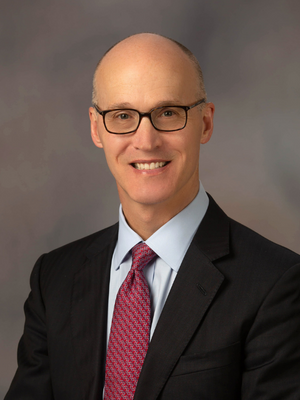
“Thanks to Madison Hansen, UMMC’s student-led choir has been thoroughly revitalized and reimagined,” Rodgers said. “The group now includes members from across all schools on campus and is developing a repertoire and schedule of events for the UMMC community. I am grateful to Madison and students like her who value the arts and find ways to keep them alive for all of us to enjoy.”
Although the MD-PhD path is demanding, Hansen intentionally makes time for the choir. She has completed three years of medical school and recently began her PhD training in physiology and biophysics. Her research focuses on the gut and vaginal microbiomes in lupus.
For Hansen, balance comes down to intention.
“Medical training is intense, but if something matters to you, you have to make a deliberate space for it,” she said. “When the choir first began, we kept performances limited while I learned how to manage both commitments. Over time, as the group grew and my own rhythm settled, we gradually expanded. Now, we continue to grow thoughtfully, always keeping sustainability in mind.”
The choir also filled a noticeable gap.
“Many academic health centers have choirs and instrumental ensembles,” Hansen said. “I first learned this while applying to medical school and noticed the absence of one when I arrived at UMMC.”
During her first year, Hansen met Dr. LaToya Mason, a classically trained pianist and professor of anesthesiology. Mason had participated in a Medical Center choir during her own training, and together they worked to establish one at UMMC.
Mason, a composer and the group’s faculty adviser, said the choir’s influence extends far beyond music.
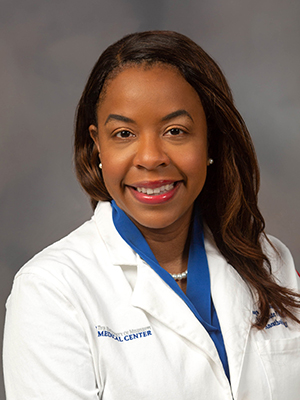
“Music and medicine are timeless and have the capacity to transcend boundaries,” Mason said. “From cheerfully caroling in our hospital corridors to solemnly singing Amazing Grace at the ceremony honoring anatomical donors, the choir is making a positive impact. I look forward to the lasting chords this group will continue to strike in their musical and medical endeavors.”
Hansen’s influence is also felt in the classroom. First-year medical student Shubhangi Singh, whom Hansen tutored in the anatomy lab, recalls her guidance during a challenging transition.
“The first few weeks in the lab were really hard for me,” Singh said. “Seeing a deceased human body was overwhelming. My donor was an older woman, and on the first day I couldn’t bring myself to do anything. I just stood there, wanting to hold her hand and wondering about the life she lived.”
With Hansen’s mentorship, the lab experience became meaningful.
“The anatomy lab became a really special place for me,” Singh said. “The choir is a beautiful way to dedicate and show our appreciation to our donors.”
Third-year medical student Micaela L. Shields contributes to Cantus Medici as both a singer and pianist.
“The choir is important to the UMMC community,” Shields said. “We come from different backgrounds and beliefs, but we’re united by our love of music. On a campus filled with people who are sick, grieving, healing and learning, unity and hope are invaluable gifts – and Cantus Medici provides both.”
Cantus Medici is open to all. There are no auditions and no prior experience required. The choir welcomes all skill levels, and rehearsal schedules are adjusted based on performance needs and participant availability.
Hansen expects to complete her MD-PhD training in May 2029 and plans to focus her career on women’s health. By then, she hopes the choir will be firmly established with new leaders ready to carry it forward.
“I’d love to see larger performances – perhaps at commencement or standalone concerts on and off campus – and to expand into instrumental ensembles as well,” she said. “Music is an invaluable gift, and I believe it deserves a lasting presence at UMMC.”
Those interested in joining Cantus Medici can contact Hansen at mhansen@umc.edu.