


UMMC School of Population Health marks 10 years of looking upstream to improve Mississippi health
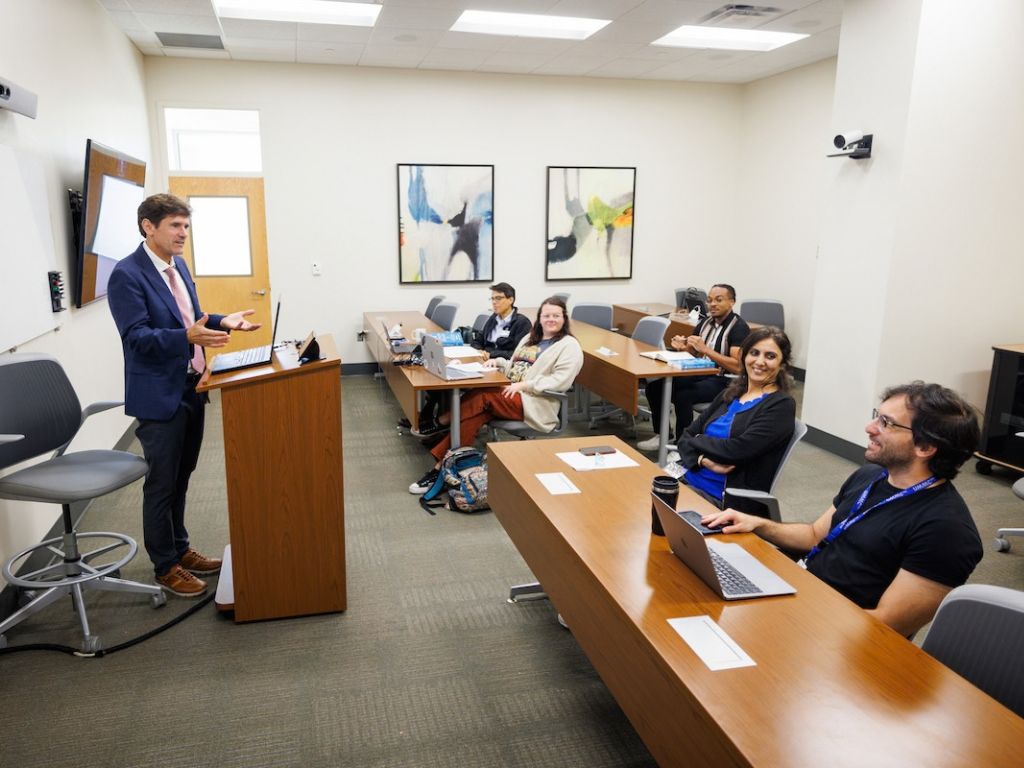
Ten years after its founding, the John D. Bower School of Population Health is celebrating a decade of improving Mississippi’s health through research and education – and going beyond the hospital environment with support from community partnerships.
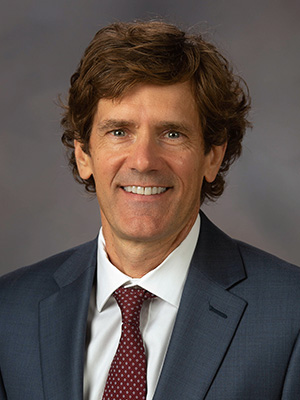
Dr. Thomas Dobbs, dean of the John D. Bower School of Population Health, underscored another distinction at the heart of the school’s work: Health and health care are not synonymous.
Clinical medicine plays an essential role, but much of what determines whether people remain healthy happens outside hospitals and clinics.
Housing, poverty, economic conditions, neighborhoods, access to resources and other social circumstances can influence health throughout a person’s life, he said.
Improving health therefore requires understanding – and ultimately addressing – those factors as well.
Dobbs, who first joined the school in 2022, reflected on those who conceived the school, established its foundation, developed its programs and sustained it through challenging periods, including the COVID-19 pandemic.
That foundation has allowed education, research, clinical care and community engagement to become increasingly interconnected.
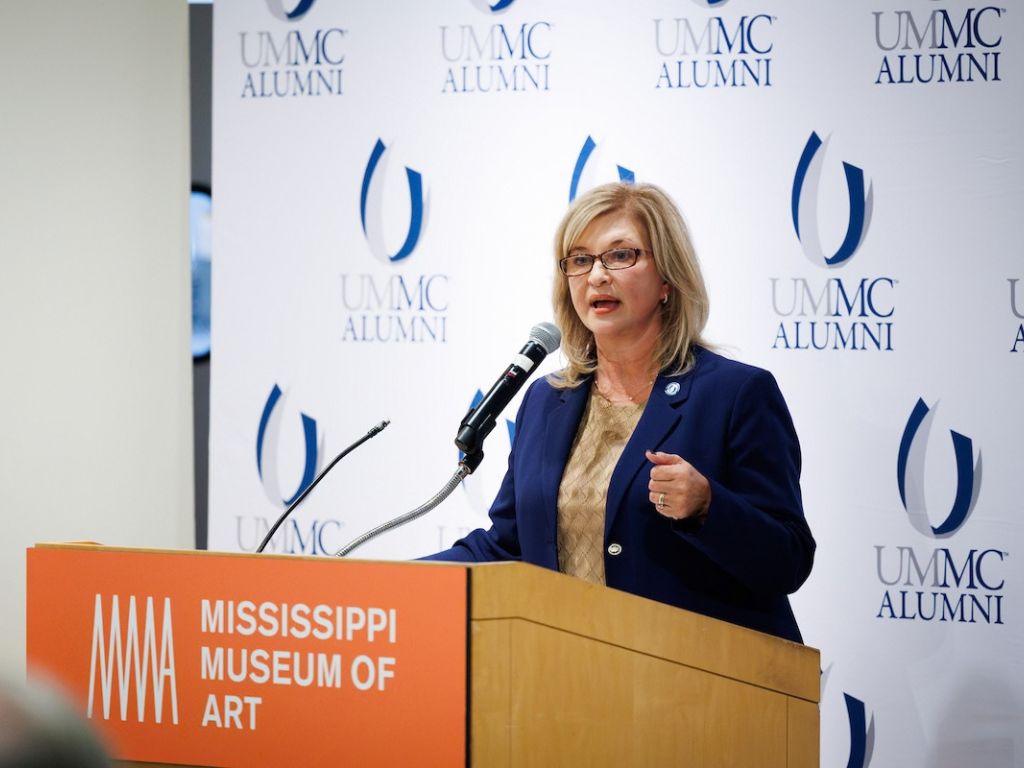
Dr. LouAnn Woodward, vice chancellor for health affairs and dean of the School of Medicine, said the school’s mission addresses one of the fundamental challenges facing an academic medical center in a state with significant health needs.
UMMC excels at caring for patients who are seriously ill or injured.
“We’re really, really, really good at treating patients that are critically ill,” Woodward said. “We’re good at that. That’s important. And I’m awfully proud of that work.”
But fulfilling UMMC’s long-term mission of improving the health of Mississippi requires doing more, she said.

It requires widening the lens.
Along with treating patients individually, health professionals must look at “groups and communities of people” and understand the larger conditions influencing their health.
Leaders say those conditions can include access to care, housing, poverty, economic circumstances, health disparities, health policy and other forces that affect people long before they arrive at a hospital or clinic.
The need is particularly significant in Mississippi.
“When it comes to health and health outcomes, we’re in the wrong place on all the lists,” Woodward said.
The School of Population Health officially opened in 2016, during what Woodward recalled as a difficult period for UMMC marked by leadership, financial and budget challenges and unexpected changes in federal and state funding.
Against that backdrop, she called establishing the school “truly a bright spot.”
“It is a really big deal to start a new school,” Woodward said.
Creating one at a resource-conscious academic medical center represented an especially significant commitment. And resources, she noted, meant more than money. They included people, talent and time.
Since then, the school has developed master’s- and doctoral-level educational programs, expanded community-based research and secured significant external research funding. Its research and community efforts have also tackled health concerns particularly relevant to Mississippi, including diabetes, maternal health and syphilis.
Woodward said the philosophy behind that work can be seen in the legacy of the late Dr. John D. Bower, the renowned UMMC physician and educator for whom the school is named.
“He was a remarkable man, truly a visionary,” she said.
Long before population health became a familiar term, Bower was thinking beyond the individual patient. He understood the importance of access to care, equitable treatment and health policy and recognized that decisions made at the state and federal levels could influence health outcomes.
The Bower Foundation was also instrumental in bringing that vision to life. Its generous financial support, coupled with Bower’s belief in the potential of population health to improve health throughout Mississippi, was critical to the school’s founding.
“He was tuned into this well before we called it something fancy like population health,” Woodward said.
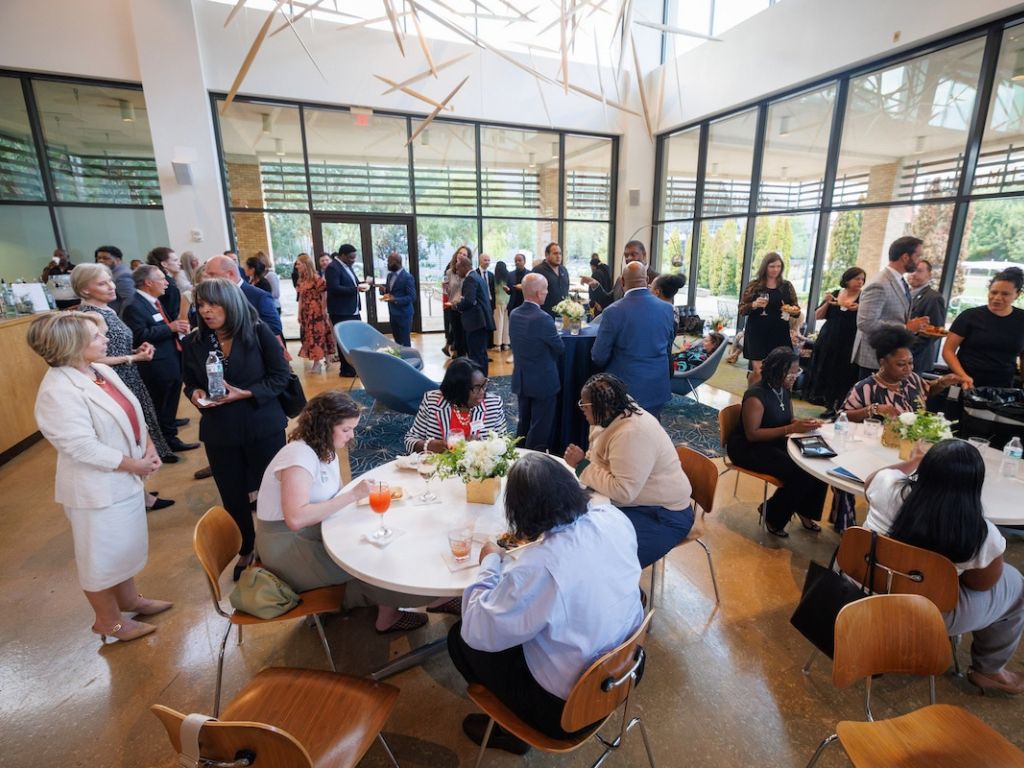
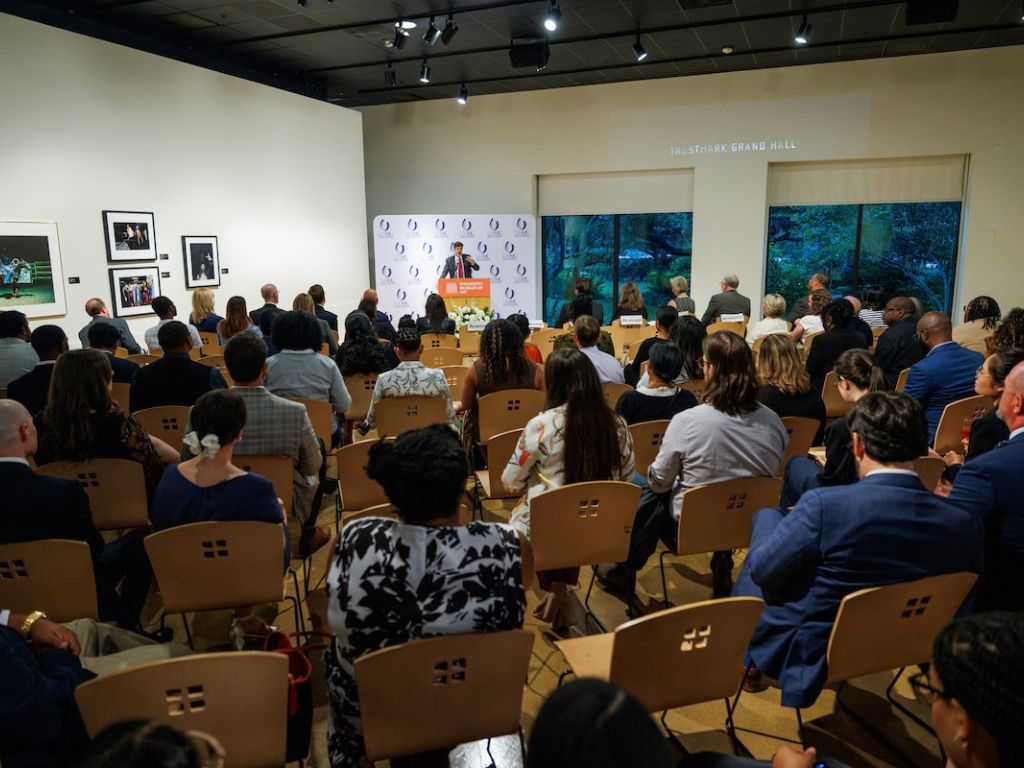
Keynote speaker Dr. Ralph Didlake, former vice chancellor for academic affairs, reminded those gathered for the school’s 10th anniversary at the Mississippi Museum of Art that the story did not begin when the school officially opened in 2016.
The vision had been developing for years.
Didlake, a retired professor of surgery and founding director of the UMMC Center for Bioethics and Medical Humanities, traced the school’s roots to physicians who recognized the limitations of waiting until patients were seriously ill before intervening. Treating advanced disease was necessary, but preventing illness or addressing it earlier could offer something even more powerful.
The idea was to move “upstream.”
That thinking broadened from an early focus on renal disease to prevention, community health and improving health outcomes throughout Mississippi. By 2011, an assessment and planning process was building momentum toward a formal population-health initiative at UMMC.
A decade after that vision became a school, the anniversary offered an opportunity to celebrate how far it has come – and consider where it goes next.
The next decade offers opportunities to push that work further, particularly around health care costs, health policy and the social determinants of health, Dobbs said. The school also has an opportunity to expand its role as a source of health-policy expertise and prepare professionals who can turn research into informed policies and practical interventions.
The anniversary celebration also made clear that improving Mississippi’s health cannot be accomplished by an academic medical center alone.
Three organizations were recognized for partnerships and community work that illustrate how factors outside the examination room can directly affect health.
- Mississippi Food Network was honored with the 2026 Spirit of Population Health Award for its partnership and efforts to address hunger and food access, including food distributions and service to communities throughout Mississippi.
- My Brother’s Keeper received the 2026 Distinguished Partner Award for community engagement that builds trust, connects people with resources, addresses barriers contributing to health disparities, and advances prevention and education.
- Mississippi Urban League received the 2026 Population Health Partnership Award for its work involving education, workforce development, housing, economic well-being and community advocacy – factors closely connected to the social and economic conditions that shape health and quality of life.
Their recognition reflected a recurring theme of the celebration: Population health depends on partnership.
Dobbs said universities, health care organizations, government, nonprofits, community organizations, families and residents all have roles in moving Mississippi toward better health.
Meanwhile, Didlake also recognized those within the school carrying that work forward.
He congratulated students on being part of the school during its 10th anniversary year, recognized faculty members who have built its educational and research programs and thanked staff members whose work helps “hold all of this together.”
And while the anniversary looked back at those who imagined and built the school, Woodward brought the celebration back to the challenge ahead.
“In Mississippi, the need is great, and the stakes are high,” she said.
Changing the state’s health future, she said, will require UMMC to continue doing what it already does well – superior individual care.
“Yet, while providing excellent care to patients one at a time, we also have to continue to advance our efforts to look at health through that broader lens – at the population level for our communities and our state,” Woodward said.