


Rewriting Mississippi’s Cancer Story
By the numbers
17,317: Average annual cancer diagnoses in Mississippi, reported in 2023
6,428: Mississippi cancer deaths, reported in 2025
4th highest: Mississippi's rank for percentage of cancer deaths
Source: U.S. Cancer Statistics, a combined cancer registry database collected by the Centers for Disease Control National Program of Cancer Registries and the National Cancer Institute's Surveillance, Epidemiology, and End Results (SEER) program; Cancer Mortality | Stats of the States | CDC, a U.S. Centers for Disease Control and Prevention database compiled by the National Center for Health Statistics
Editor's note: Over the next four weeks, we will take a closer look at the University of Mississippi Medical Center’s work in rewriting the cancer story of Mississippi, a state that has one of the highest cancer mortality rates in the nation. Through our three-part mission of education, research and health care, the Medical Center and the UMMC Cancer Center and Research Institute are working to improve the state's cancer outcomes. These stories come as ground will be broken on a new home for CCRI, which is working toward National Cancer Institute designation.
Rewriting Mississippi’s Cancer Story
It’s time for a change
Mississippi is known for the artistry of the blues, the warmth of its hospitality and the love of friends and family.
It’s also known for having cancer survival rates that are among the worst in the nation.
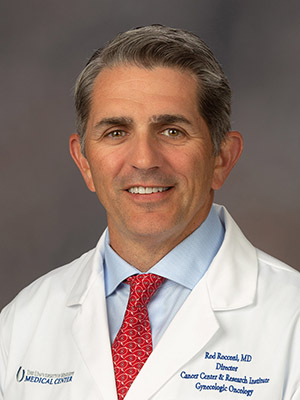
“As a state, we’ve been the first in the worst for too long,” said Dr. Rod Rocconi, Ergon Chair for Cancer Research and director of the Cancer Center and Research Institute at the University of Mississippi Medical Center. “Too many Mississippians are discovering they have cancer in its later stages, and often they travel hundreds of miles to receive care. They’re robbed of time with those they love. It’s about time we rewrite Mississippi’s cancer story.”
The Medical Center is working with renewed focus to improve cancer survival rates for Mississippians and reduce the burden of cancer, said Dr. LouAnn Woodward, vice chancellor for health affairs.
“To do that, we are taking two major steps in parallel – working toward National Cancer Institute designation and building a center for cancer care, research and education,” she said. "I can say with confidence that this is the most consequential effort in the health care space in Mississippi."
NCI designation is the federal government’s highest recognition for cancer centers. The new home for CCRI, to be located beside the American Cancer Society’s Gertrude C. Ford Hope Lodge in Jackson, will include ample space for collaboration in care and research.
It's About Time: The Campaign for the UMMC Cancer Center and Research Institute has raised more than 80% of its $125 million goal to help fund construction of the center. A groundbreaking ceremony is planned for Oct. 22.
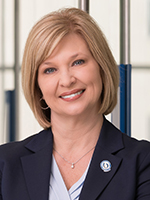
"Individuals, foundations, corporations and organizations have helped us get past our $100 million mark," Woodward said. “This generosity from across Mississippi and beyond is accelerating the momentum for reaching both our goals.”
The Mississippi Legislature provided additional funding through a $100 million appropriation signed by Gov. Tate Reeves.
"Mississippians have certainly shown up in a significant way, and it will make a difference in the state," she said. "This is the kind of project that changes statistics."
A word no one wants to hear
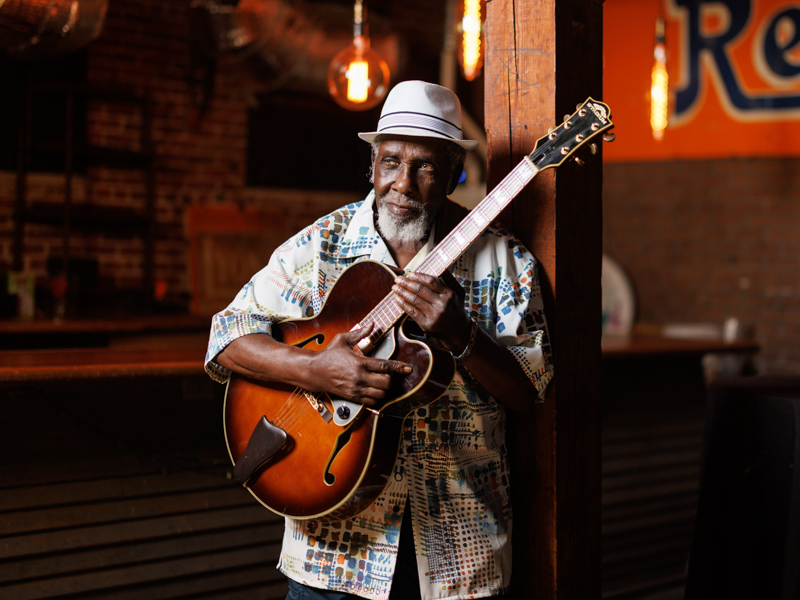
Jesse Robinson plays the blues every week at Hal & Mal's and tours to share his music around the world. The Governor's Arts Award-winning guitarist is doing what he loves after a cancer battle threatened his life.
"Cancer," he said. "That's a word you don't want to witness, but if it's there, you must jump in it, and get in it and understand it, because it is what it is. Go to the doctor and go to yourself and change your lifestyle.”
Far too many Mississippians hear the word “cancer” in its later stages when it has spread to other parts of the body and is more difficult to treat.
The second leading cause of death in Mississippi, cancer mortality accounted for 6,428 deaths in 2025. The state’s cancer mortality, 167.8 per 100,000 people, is 23% higher than the national average of 143.5, according to National Cancer Institute figures and the Mississippi State Department of Health. Still, progress has been made, with the U.S. Centers for Disease Control and Prevention showing a 14.7% drop in cancer deaths in the state from 2014 to 2024.
“There’s more work to be done,” said Rocconi, “but the trend shows what’s possible when we invest in prevention, early detection and access to high-quality care. Our job now is to accelerate that progress — to build the infrastructure, partnerships and research capacity that will finally turn the tide on cancer in Mississippi.”
Changing cancer outcomes
Terrence Shirley helped build CCRI and the Department of Radiation Oncology as an administrator at UMMC. When cancer care was needed, first for his father, the late medical and civil rights leader Dr. Aaron Shirley, and then for himself, Shirley turned to the Medical Center for care.
“I wouldn’t have thought about getting treated anywhere else,” said Shirley after ringing the bell following his last radiation treatment for metastatic prostate cancer earlier this year. “When people asked me if I was going to go out of state to get second, third and fourth opinions, I said, “No, I’ve already got that here. I’ve sat in on tumor boards and meetings, so I know what goes on. I know how the doctors are challenged by their colleagues, and I know how you all work together. I had no second thoughts about whether this is the place I would come to.”
Inspired by the state’s need and the quality of care he received, Shirley is continuing to help UMMC gain NCI designation. As CEO of the Community Health Center Association of Mississippi, a post he’s held since 2021, Shirley sees the longtime goal of NCI designation as essential to improving the health of Mississippians.
“We have to do better,” Shirley said. “NCI designation brings increased opportunities for clinical trials and a higher level of care. We’ve also got to be sure that we can open our doors to people who have fewer resources. That’s the only way we can change Mississippi’s cancer outcomes.”
UMMC offers free cancer screenings to uninsured and underinsured Mississippians through Screen, Check and Connect, set for April 3, 2027, and had offered this in partnership with the College of American Pathologists as See, Test and Treat since 2017.
“These are great programs,” said Shirley, who helped launch the first See, Test and Treat, “but they are only one day and in Jackson. The access to cancer screening is still limited.”
Solving Mississippi’s cancer crisis not only calls for a transformation in health care access. The health habits of Mississippians need to change, health professionals say.
One out of every three cancer deaths in the U.S. is linked to obesity, which puts Mississippi, a state that ranks second in obesity, at risk. In 2023, 71.3% of Mississippians were either overweight or obese, according to the Mississippi State Department of Health.
Smoking could also play a role since the percentage of Mississippians who use cigarettes, 15.6%, is 29% higher than the national average, 12.1%.
Mississippians also have lower rates of eating fruits and vegetables and being physically active, two habits that can make cancer less likely.
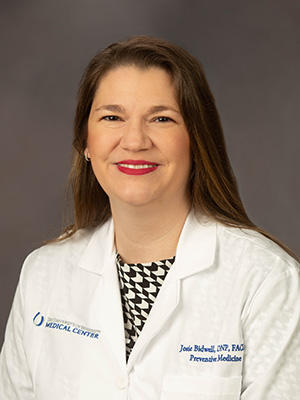
“We cannot solve Mississippi’s cancer crisis without addressing the habits that drive risk,” said Dr. Josie Bidwell, professor of preventive medicine and clinical director of the Lifestyle Medicine Clinic at UMMC. “When we help people move more, eat more fruits and vegetables, maintain a healthy weight and stop smoking, we are not just improving daily health. We are lowering the chances of cancer and giving Mississippians a healthier future."
Advanced care close to home
When Deborah Deerman felt a lump in her breast one Sunday in 2023, she knew where to go to get medical attention. She’s a medical office assistant at the UMMC Women’s Clinic in Greenwood.
“I went to the nurse practitioner the next day,” she said. “A couple of weeks later, I was seeing Dr. Douglas Bowden at UMMC Grenada, and he did an ultrasound and biopsy that day.”
Diagnosed with stage 2 triple-negative breast cancer, an aggressive type that can be difficult to treat, Deerman decided to stay with UMMC Grenada for her care.
“I felt like this is where the Lord led me, and the care team here is capable of doing the treatments I’ve needed,” she said.
Access to medical care can be a hurdle for Mississippians in rural areas of the state, she said. “If UMMC wasn’t here, we would have little to no health care available.”
The Medical Center also reaches out to patients through cellphones and laptops.
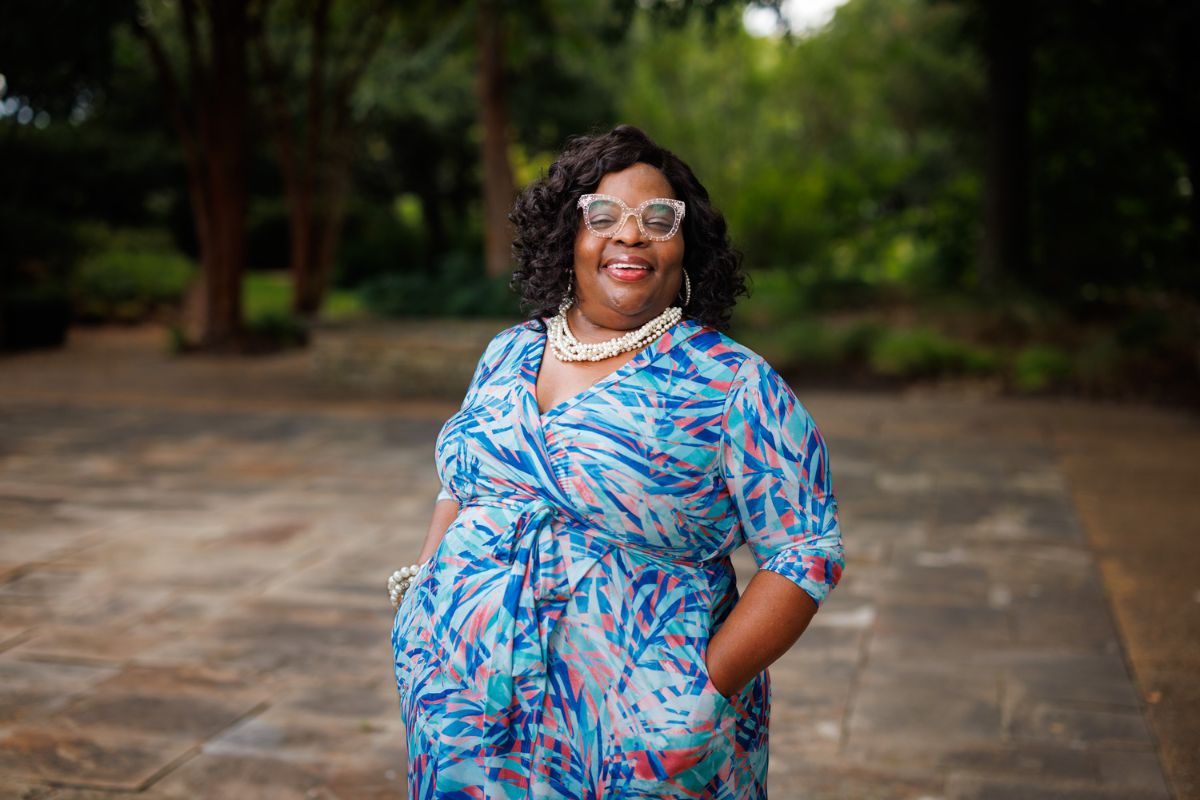
Shenike Bankston of Jackson, who fought thyroid cancer with the help of UMMC, found advice on thriving through cancer treatments as close as her personal computer. Survivor University, a free program offered through CCRI to cancer patients around the state, is available virtually, connecting patients with Medical Center experts.
“Survivor University was wonderful,” she said. “I wish I had participated earlier, when I was first diagnosed, so I would have known what to expect in my cancer journey.”
Bankston said she never traveled that journey alone. “I’m forever grateful for the staff at UMMC and especially Dr. (Lana) Jackson (professor of otolaryngology) who helped me mentally, emotionally and physically and continues to support me in follow-up care,” she said. “I’m also thankful for my family and friends who made sure I’m not doing this alone. This is not an easy journey, but God protects me when I’m against the wall and heals me through his grace.”
For Cynthia Clem, cancer care at UMMC means a four-hour drive from Pensacola, Florida, but it’s a drive she and her sister, Karen Clem, make. Cynthia Clem, who is battling small cell lung cancer that spread to her brain, has a team of specialists in her corner.
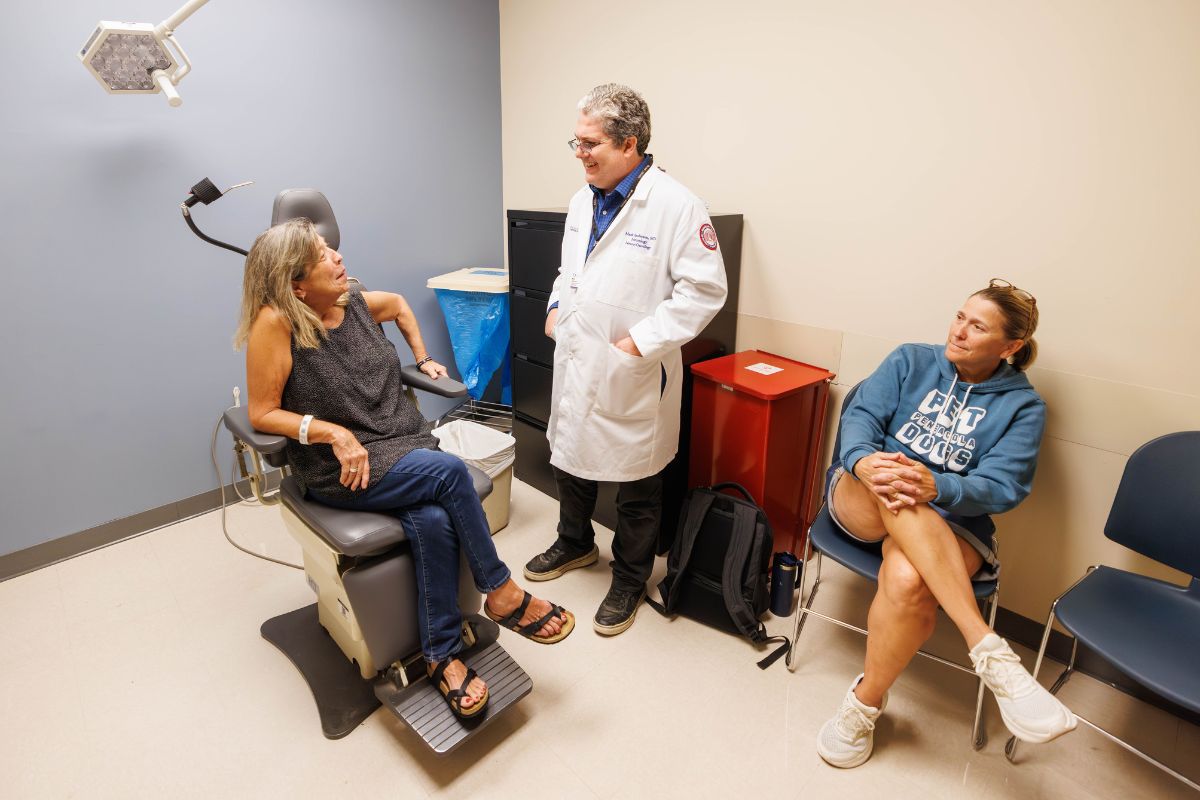
“I’ve been through a lot,” she said, “but there are more ups than downs. I trust this team, and all the specialists I need are at UMMC.”
Clem, who had served UMMC as a nurse in cardiovascular stepdown and holding units starting in 2003, has received care from experts in oncology, internal medicine, radiation oncology, surgery, neurosurgery, endocrinology and more.
Her cancer treatment now includes infusions of Imdelltra, a type of immunotherapy known as a bispecific T-cell engager, that are delivered near her home in Florida. She comes to UMMC every few months for follow-up care.
Karen, who cares for her sister, said she appreciates the care at UMMC. “She gets really good care here. It really is a top-notch team.”
It’s us or no one
Woodward, a native Mississippian and graduate of the UMMC School of Medicine, knows the health care challenges the state faces well. She also believes they can be overcome.
“NCI designation is awarded to institutions that demonstrate excellence in cancer research, clinical care, prevention, education and community outreach — and, critically, the ability to integrate all those areas into a single, coordinated cancer program,” she said. “In Mississippi, UMMC is the only institution capable of reaching that goal. It is truly us or no one.”
Patients treated at NCI-Designated Cancer Centers benefit from:
- Greater access to clinical trials, including first-in-human and early-phase studies not available elsewhere
- Multidisciplinary care teams that bring together surgeons, medical oncologists, radiation oncologists and researchers
- Evidence-based treatment guidelines informed by the latest research
That coordinated expertise results in patients at NCI-designated centers experiencing improvements in long-term survival of up to 25%. For Mississippians, having an NCI-designated cancer center at UMMC means they can get the advanced cancer care they need without the burden of leaving the state for care.
“In Mississippi, we are the worst in cancer outcomes, but statistics will change,” she said. “What is even more important than that is that individual people's lives will change. Grandparents will have more time with their grandchildren. People will live longer and better lives. In the future, we won't be among the worst.”