


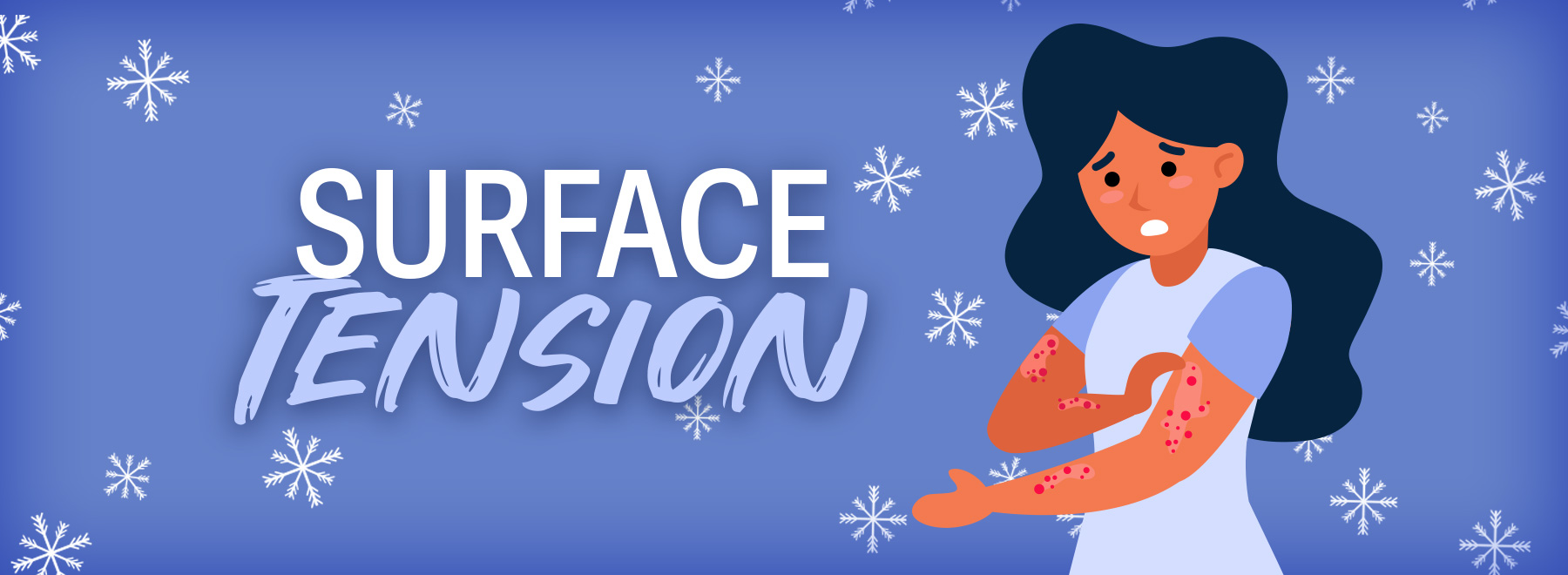
Now’s the time to keep a weather eye on your skin
The weather’s getting colder, and we’re all getting older – a double wintertime whammy.

“Many chronic skin conditions can first surface or be exacerbated by the cooler temperatures and drier air,” said Dr. Margaret “Molly” Webb, assistant professor of dermatology at the University of Mississippi Medical Center.
“Many individuals who did not deal with skin conditions in younger years may develop them as they age, with significant flaring in winter months.”
Here are just a few to look out for, said Webb and Dr. Allison Cruse, UMMC associate professor of dermatology:
- Atopic dermatitis (eczema): itchy, ill defined, dry, red patches
- Asteatotic eczema: cracked patches of skin
- Seborrheic dermatitis: red patchy skin; yellow scales around the nose and eyebrows
- Psoriasis: well-defined red plaques with silvery scales on the outer limbs, including the backs of the elbows; scalp; lower back; and sacrum (the triangular bone at the base of the spine)
- Rosacea: facial flushing, redness and red bumps on the face often accompanied by stinging or burning
- Hand dermatitis: blistering, cracking, itching, etc., of the palms or fingers. This can result from washing hands frequently without moisturizing afterward, Cruse said.
“When we age, the skin gets drier due to a decrease in the epidermis’ (outermost layer of skin) ability to serve as a tight, tidy barrier,” Webb said. “The skin is less able to retain moisture.”
Other conditions and factors can contribute to dermatological distress as well:
- Menopause: The loss of estrogen results in decreased moisture in the skin, lower collagen content in the skin, diminished barrier protection of the skin and a decline in the skin’s overall quality, Webb said. The skin is often thinner, drier and itchier, and more vulnerable to trauma and slower healing. “We also see increased bruising, and more wrinkles, crepiness and sagging of the skin,” Cruse said.
- Heating systems: They dry the air and lower the humidity. “If they’re drying out the air, they’re also drying out the skin,” Cruse said. Using a humidifier is one solution.
- Spending a lot of time outdoors in cold weather
- Personal hygiene: “Taking long, hot showers, using harsh soaps and not moisturizing the skin after water exposure, either with handwashing or bathing,” Webb said.
Certain soaps are harsher on the skin than others, Webb said. “However, more often than not, the issue is overly frequent handwashing. With each handwashing session, the skin is stripped of moisture.
“I typically recommend that my patients take no more than one lukewarm shower lasting less than 10 minutes each day. Additionally, I stress the importance of applying a thick moisturizing cream to slightly damp skin right after bathing. I recommend the use of gentle, fragrance-free soaps and detergents.”
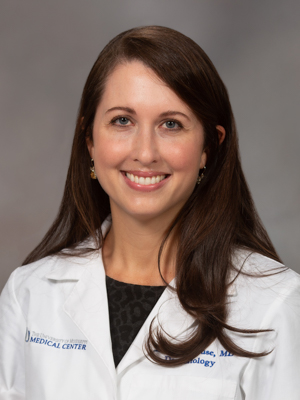
In fact, “alcohol-based sanitizers with moisturizers are gentler than soap and water,” Cruse said. “Avoid using harsh soaps such as dishwashing liquid.”
Drinking a lot of water is an alleged antidote to dry skin, but dermatologists say it’s overrated. “It has little effect unless you are severely dehydrated,” Cruse said. “It’s more important to engage in good skin care.”
Staying hydrated has many health benefits, Webb said. “But increasing the moisture of the skin is not one of them. Rather, use of a good moisturizer and minimizing exposure to environmental factors that can deplete the skin are key.”
Left untreated, dry skin could lead to other conditions or infections, including eczema and “inflamed, open areas from scratching,” Cruse said.
Dry skin can be very itchy, Webb said. “With scratching, there is increased risk of secondary infection.
“As we age, the robustness of the immune system often diminishes, making older individuals particularly vulnerable to these secondary skin infections.”
If you have concerning skin problems, see your primary care doctor, who may recommend a dermatologist.
— — —
To make an appointment, or for a referral, call 601-815-3374, or go online here.
The above article appears in CONSULT, UMMC’s monthly e-newsletter sharing news about cutting-edge clinical and health science education advances and innovative biomedical research at the Medical Center and giving you tips and suggestions on how you and the people you love can live a healthier life. Click here and enter your email address to receive CONSULT free of charge. You may cancel at any time.