


UMMC ACT Center offers free support for smoking cessation
Quitting smoking is a big step to improving one’s health, but it’s also one of the hardest.
In Mississippi, where 15.6% of adults smoke cigarettes and more than a quarter use some form of tobacco, the effects of nicotine addiction ripple across families, communities and the health care system. Tobacco use costs the state more than $1.2 billion in health care expenses each year and contributes to more than 5,400 deaths annually.
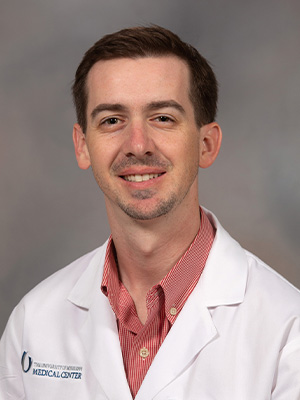
But with the right support, change is possible at any age and at any stage of addiction. That’s the message Dr. Johnathan Hontzas, director of the University of Mississippi Medical Center ACT Center for Tobacco Treatment, shares every day with the patients he counsels.
“Nicotine is an incredibly powerful chemical,” Hontzas said. “It travels to the brain and triggers the release of dopamine, which creates pleasure and reward. That’s what makes it so addictive and why cravings can feel overwhelming.”
One of the most common misconceptions Hontzas encounters is the belief that quitting is only effective if someone stops early in life. “It is never too late to quit. Period,” he said.
Other myths linger, too, like the idea that occasional smoking is harmless, that vaping is a safer alternative or that “natural” cigarettes reduce harm. “None of that is true,” he said. “Vaping may contain fewer toxic chemicals than traditional cigarettes, but it still harms lung and cardiovascular function. Neither is safe.”
That’s why tackling nicotine addiction requires more than willpower. It requires understanding both the physical dependence and the behavioral patterns that keep people reaching for cigarettes, vapes or smokeless tobacco.
The ACT Center provides Mississippi adults with free, evidence-based treatment designed to support patients through every stage of the quitting process.
The program begins with a free initial session, during which a certified tobacco treatment specialist gathers detailed information about the patient’s tobacco history, daily habits, stressors and goals.
“We want to truly understand what drives their addiction so we can be the best resource we can be,” Hontzas said.
Patients then participate in six additional free counseling sessions, by phone or in person, with the same specialist they met at their first visit. Continuity, he said, is critical. These sessions focus on coping strategies, building a quit plan, addressing emotional triggers and problem-solving barriers that may arise.
Medication therapy is also available and often recommended. Patients can receive up to three months of free nicotine replacement therapy, including patches, gum and lozenges. Prescription medications such as Chantix (varenicline) or Wellbutrin (bupropion) may also be incorporated, depending on the patient’s needs.
Three follow-up sessions at three, six and twelve months post-quit give patients ongoing reinforcement, accountability and encouragement.
“Studies are very clear that people are more likely to quit long-term when medication therapy is combined with counseling,” Hontzas said. “The physical addiction is only one piece. The behavioral component is more complicated, and that’s where counseling becomes vital.”
Addiction rarely persists for the same reason it began, Hontzas explained. Maybe smoking started as a social habit, or a way to handle stress or something someone picked up as a teenager. Over time, it becomes intertwined with daily routines—morning coffee, driving, breaks at work or winding down at night.
“Behavioral counseling plays a huge role in breaking those patterns,” he said. “Little things matter—making cigarettes harder to access, harder to buy, harder to smoke. Learning alternative habits and healthier coping strategies when cravings hit.”
Moments of craving often last just minutes but having a plan for those minutes is what makes the difference. Many patients smoke to cope with stress, anxiety, depression or trauma. Addressing that root cause is essential.
“We help patients identify what’s driving the urge and find other ways to cope,” Hontzas said. That might mean minimizing triggers, practicing stress-reduction techniques, leaning on social support or replacing cigarettes with another grounding activity. The ACT Center’s specialists are licensed professional counselors with extensive mental health training, an important asset for patients navigating emotional challenges during their quit journey.
For patients who complete at least four counseling sessions, the ACT Center has a long-term quit rate of more than 40%—a success rate significantly higher than for those quitting without support. Short-term quit rates are even higher.
“Our goal is to help people quit,” Hontzas said. “It doesn’t matter if that takes ten minutes or ten visits. We meet patients with patience, compassion and a plan.”
For more information, call go online or call the ACT Center at 601- 815-1180.
The above article appears in CONSULT, UMMC’s monthly e-newsletter sharing news about cutting-edge clinical and health science education advances and innovative biomedical research at the Medical Center and giving you tips and suggestions on how you and the people you love can live a healthier life. Click here and enter your email address to receive CONSULT free of charge. You may cancel at any time.