



Stay aware of severe respiratory illness over the holidays
As winter approaches and families gather more frequently, pediatric providers are reminding parents to stay alert for respiratory illnesses, especially respiratory syncytial virus or RSV.
While it may still be early in the traditional respiratory season, providers at Batson Kids Clinic in Madison say RSV is already circulating in the community, making awareness and early care especially important.
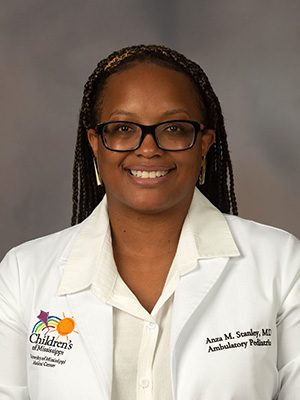
“Although we have entered what is generally considered ‘respiratory season,’ it is still early within the season, but RSV remains active in our community,” said Dr. Anza M. Stanley, associate professor of pediatrics and Batson Kids Clinic medical director. “This is also the time of year that families and friends are gathering amongst others, so this increases the potential for spread of respiratory illnesses such as RSV and flu, among other viruses.”
According to the Centers for Disease Control and Prevention , RSV is the leading cause of hospitalization for infants in the United States, underscoring the importance of prevention and early recognition—especially during the winter months.
Batson Kids Clinic, part of Children’s of Mississippi, provides specialized pediatric care for infants and children across the state. Providers at the clinic emphasize that early recognition of symptoms and timely guidance from a pediatrician can make a significant difference during RSV season.
One of the most important developments in RSV care is the availability of new preventive options for infants and expectant mothers.
“There is an RSV antibody injection offered during the season for patients from birth up to the age of eight months,” Stanley explained. “There is also an RSV vaccination that is offered to expectant mothers, so that the mother’s antibodies are passed to the baby.”
These preventive measures are designed to reduce the risk of severe RSV illness in infants, particularly during their most vulnerable early months. Families are encouraged to speak with their pediatrician or obstetrician about eligibility, timing and next steps.
If a child does become ill with RSV, treatment is largely supportive. “Management for RSV is supportive therapy—ensuring the patient is staying hydrated, treating fever with antipyretics, and observing respiratory status to monitor for increased respiratory support,” Stanley said.
While RSV can affect children of all ages, infants remain the most at risk for severe symptoms—especially those with certain medical conditions.
“Infants are the most vulnerable population, especially those born prematurely with a history of chronic lung disease, congenital heart disease, neuromuscular disorders and other chronic conditions that may compromise their ability to fight infections or clear secretions,” Dr. Stanley said.
However, she stresses that RSV can still be serious in otherwise healthy children. “With that being said, even healthy full-term infants can get seriously ill as well,” she added. This is why Stanley encourages parents to maintain regular well-child visits and to contact their pediatrician when concerns arise.
Distinguishing RSV from a common cold can be challenging for parents, particularly early in the illness.
“RSV can present similar to a common cold,” Dr. Stanley said. “There may be signs present to watch out for worsening illness.”
Parents should seek guidance from their child’s pediatrician if they notice symptoms such as wheezing, rapid or labored breathing, poor feeding, dehydration, lethargy, cyanosis (color change of the skin) or pauses in breathing known as apnea. “RSV is typically the worst on days three to five of illness, so observing symptoms is important,” Stanley said.
Caregivers encourage families to call with questions or concerns rather than waiting, as early evaluation can help determine next steps.
As RSV season continues, Stanley emphasizes prevention, communication and partnership with a trusted pediatric care team.
“Expectant mothers should discuss recommendations for RSV vaccination with their OB,” she said. “Parents with newborns should discuss with their pediatrician recommendations for the RSV antibody.”
She also reminds families that everyday precautions matter. “Always remember good hygiene practices such as hand washing, limiting contact with ill individuals and proper cleaning of high-touch surface areas,” Dr. Stanley said.
“Should your child fall ill with RSV, know the signs and symptoms that would prompt urgent or emergent care,” she added. “Trouble breathing, wheezing, feeding problems, dehydration or color changes are all reasons to seek care.”
By staying informed and partnering with providers at Batson Kids Clinic, families can take proactive steps to protect their children throughout RSV season and beyond.
Appointments with Batson Kids Clinic providers can be made online or by calling (888) 815-2005.
The above article appears in CONSULT, UMMC’s monthly e-newsletter sharing news about cutting-edge clinical and health science education advances and innovative biomedical research at the Medical Center and giving you tips and suggestions on how you and the people you love can live a healthier life. Click here and enter your email address to receive CONSULT free of charge. You may cancel at any time.