


Delta field experience connects students to place, history and health

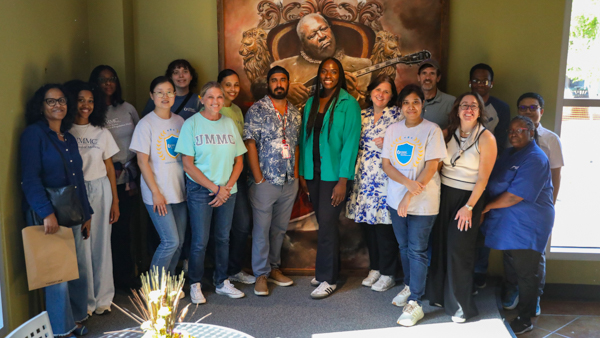
For students of population health in Mississippi, the Delta is more than a region on a map. It is a place where history, culture, health care access, community leadership and health outcomes are deeply connected.
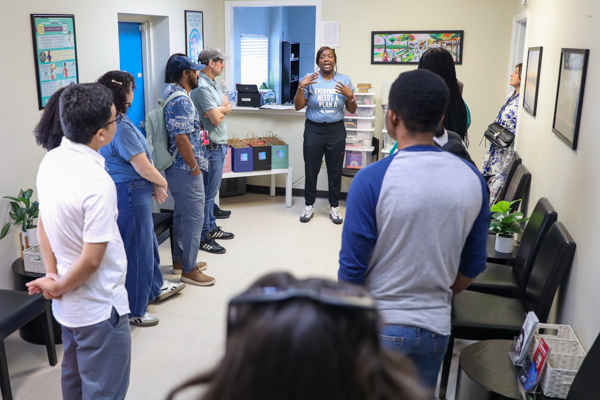
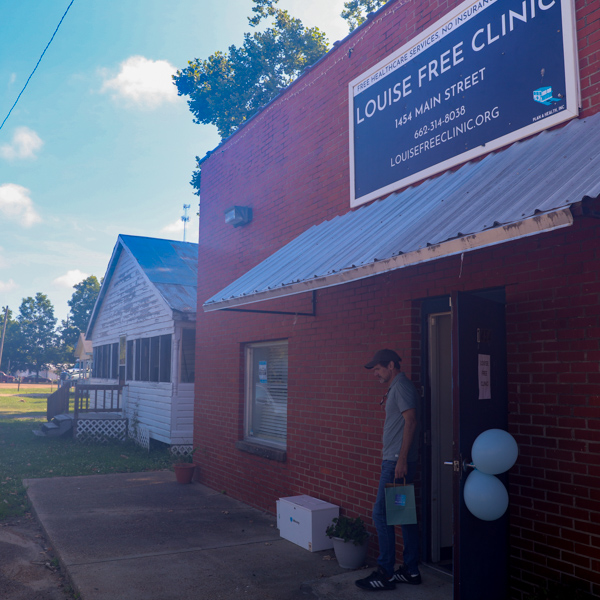
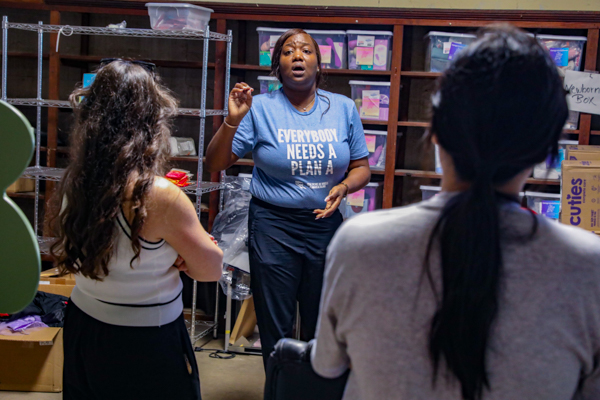
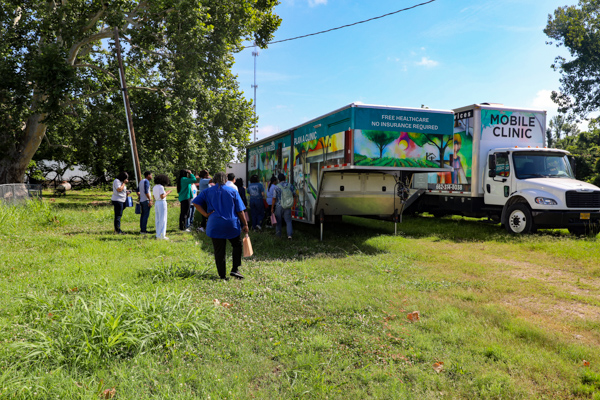
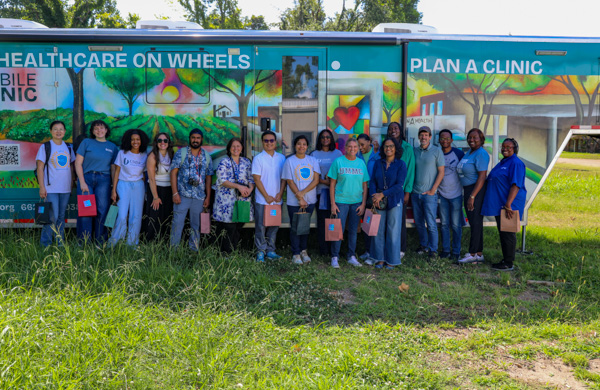
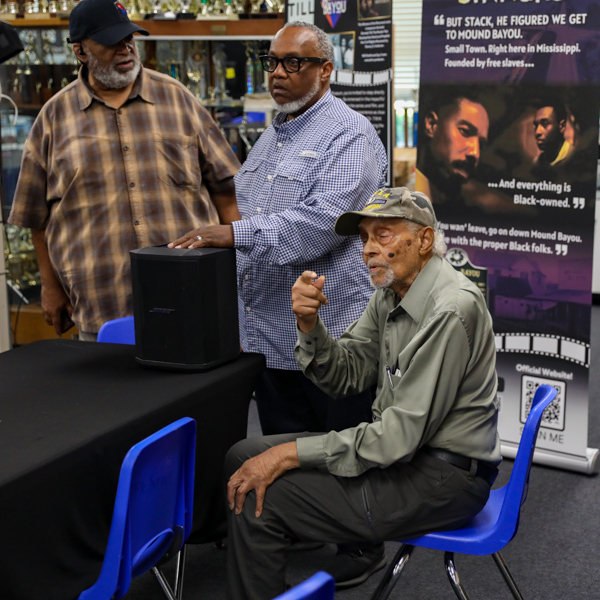
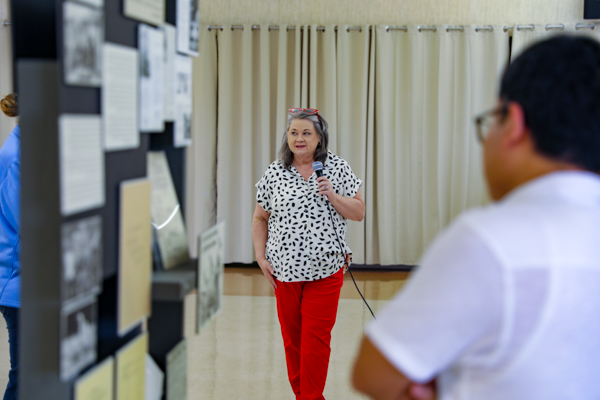
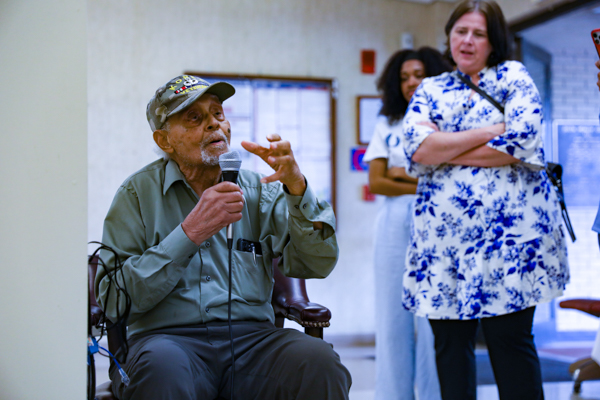
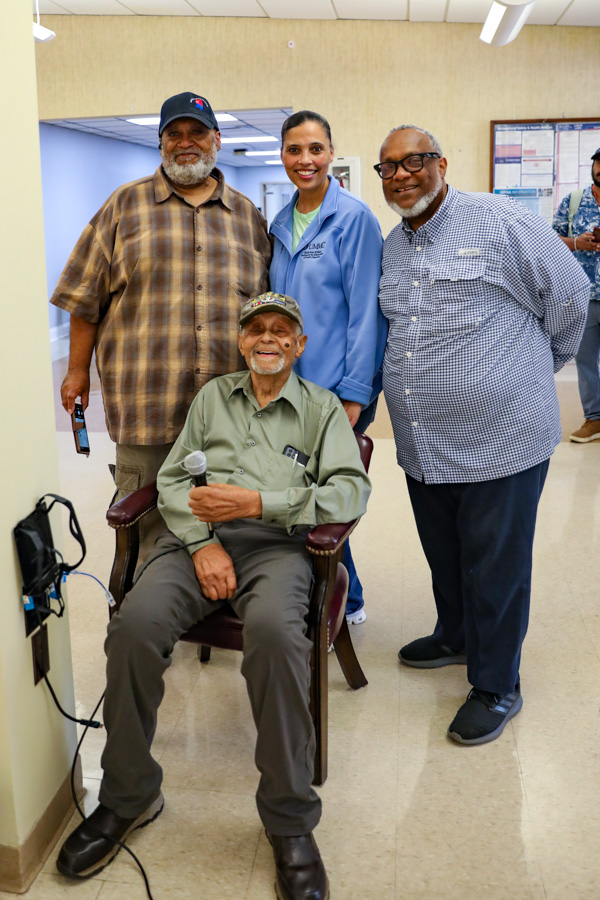
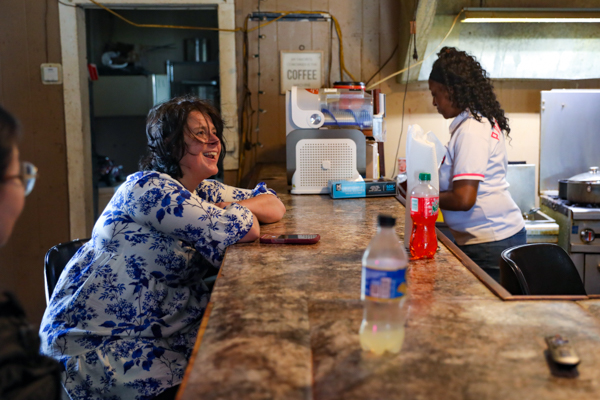
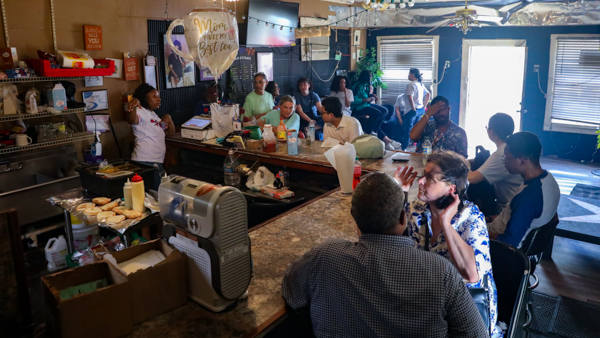
On June 9, students, faculty and staff from the John D. Bower School of Population Health took part in a Mississippi Delta field experience designed to help participants see those connections firsthand. The trip included stops at Plan A Health in Louise, the Mound Bayou Museum, the Delta Health Center Museum and the B.B. King Museum in Indianola.
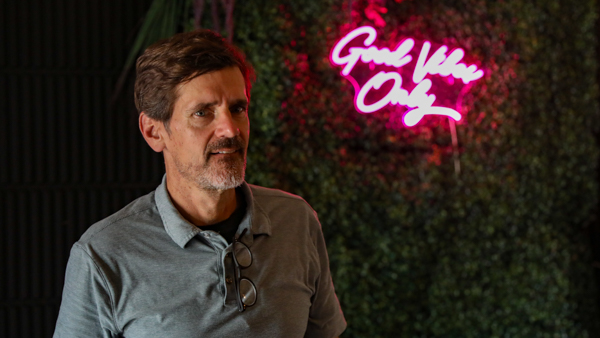
The experience was especially meaningful for students and faculty who are not from Mississippi or the United States. Many SOPH students are preparing for careers as researchers, analysts, clinicians and public health professionals whose work may focus on health challenges affecting Delta communities. The trip gave them a chance to connect their academic training with the people and places at the center of that work.
“Before this trip, I knew about the Delta mostly through data and class discussions,” said Salit Chakma, a SOPH PhD student visiting the Delta for the first time. “Seeing the communities, hearing the history and meeting people connected to this work helped me understand why population health has to be grounded in place.”
The Delta faces some of the most serious health challenges in the nation, including high rates of chronic disease, barriers to care and long-standing social and economic inequities. At the same time, the region has a powerful history of community leadership and innovation. Mound Bayou, one of the nation’s most significant historically Black towns, and Delta Health Center, a pioneering model for community-based health care, offered students important examples of how local leadership has shaped public health.
“The Delta field experience helps students understand that population health is not only about numbers,” said Bernadette Grayson, PhD, associate dean for academic affairs. “It is about people, history, policy, systems and the lived experiences of communities. For our students, seeing that firsthand is an important part of their education.”
The day also highlighted the cultural richness of the Delta, including its music, food and storytelling traditions. At every stop, students had the opportunity to reflect on the Delta’s influence far beyond Mississippi and the ways culture can shape identity, resilience and community life.
For SOPH, the field experience reinforced a central lesson: improving health requires understanding the conditions that shape it. By visiting the Delta together, students and faculty were able to see how research, policy, health care and community engagement intersect in one of Mississippi’s most important regions.
The trip offered a deeper understanding of the work ahead and a reminder that population health begins with listening, learning and being present in the communities SOPH is committed to serving.